Blog

Thursday Nashville History, Ridiculous, and Music

Thursday started with me hearing my alarm at 6 and rising for a not-busy day. Not busy in the sense that I had no travel and no real set plans. The Grand Ole Opry is closed on Thursdays, so I planned to visit Cheekwood Garden and Museum and other easy Nashville sights. I invested my time in the morning, until almost 10, in writing the blog and retelling my experiences at the American Civil War Franklin 1864 Battlefield. I wanted the blog to cover in detail what I experienced, and thus the morning disappeared, mostly, in writing and the usual complementary industrial breakfast.

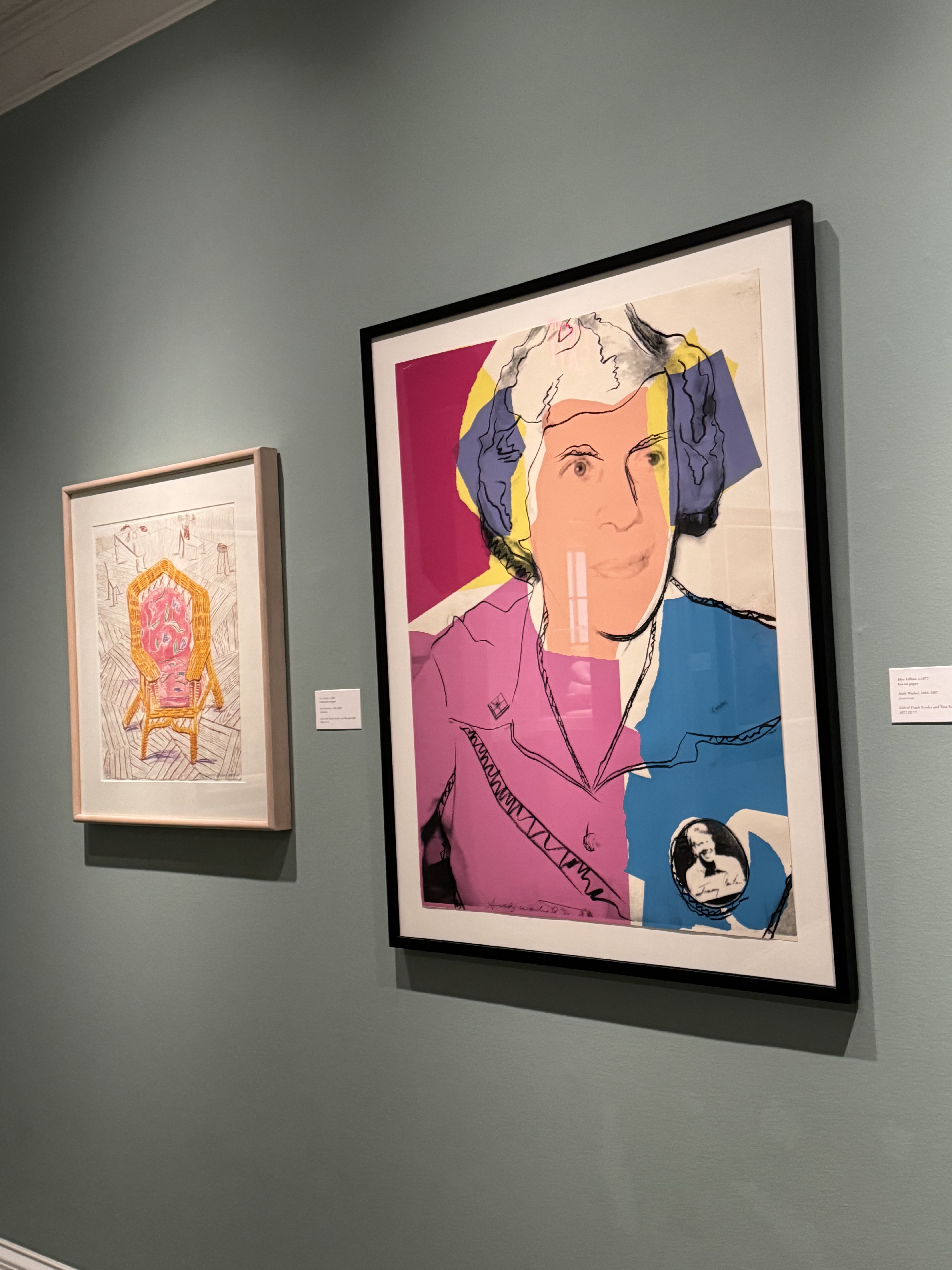
It was another hot day; I would enjoy 94ºF (34ºF), which limited my time at Cheekwood, since it was mostly an outdoor experience. Cheekwood was built starting in 1929 and finished a few years later. It is a building copying the Georgian British style for manors wtih various updates and changes to align with late 1920s America. The house was lived in for about twenty years, and then converted to the public spaces now found there. Much of the furniture and certainly the art was from the family. I did read that much of it was purchased later, including an Andy Warhall of Rosalynn Carter. The estate seems to have deep pockets.

I bought my ticket for about $29, which was reduced by $5 because I did not use parking. I took an Uber for $ 30-something plus a $10 tip and had a nice trip chatting with the driver. And while an Uber driver would not care for the competition from robot cars, Waymo is now all over the streets; he told me they break the law all the time, but nobody seems to know what to do about it. They cannot be ticketed, according to the driver, and the police now just ignore them. “I will get a $200 ticket for running a light, but these things are just ignored,” he tells me, exasperated.
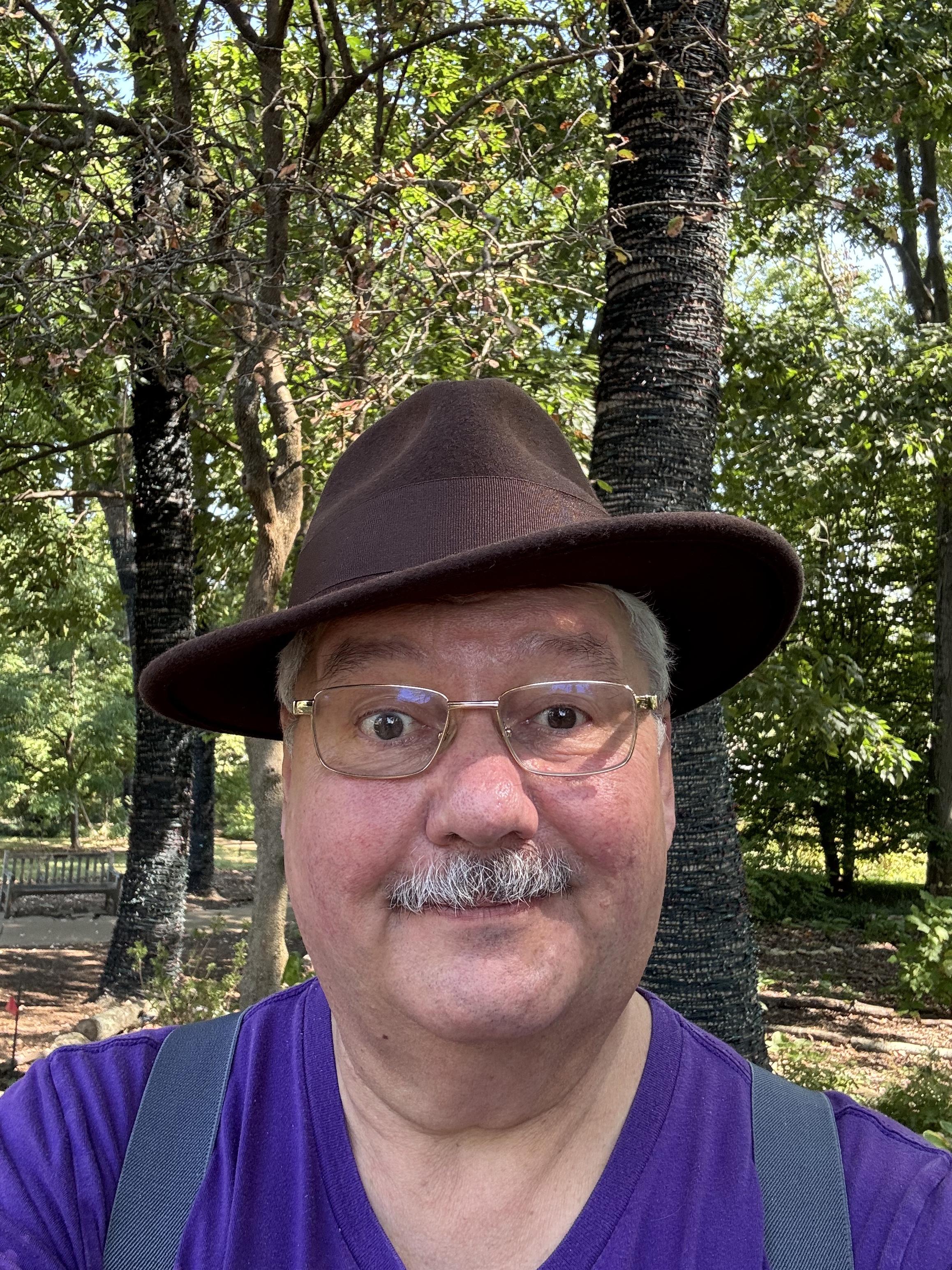
Ceekwood is hot and dusty. The ticket seller tells me they’re building a new parking garage, and part of the gardens are closed. I see plenty left. I later pass on the garden’s model trains, since they are a long walk down and then back up a hill on serpentine trails or cement stairs. I didn’t notice them until I was ready to leave; the afternoon heat had started. I walked the gardens for about an hour and spoke to a few people in standard coveralls that I saw all the garden folks wear.
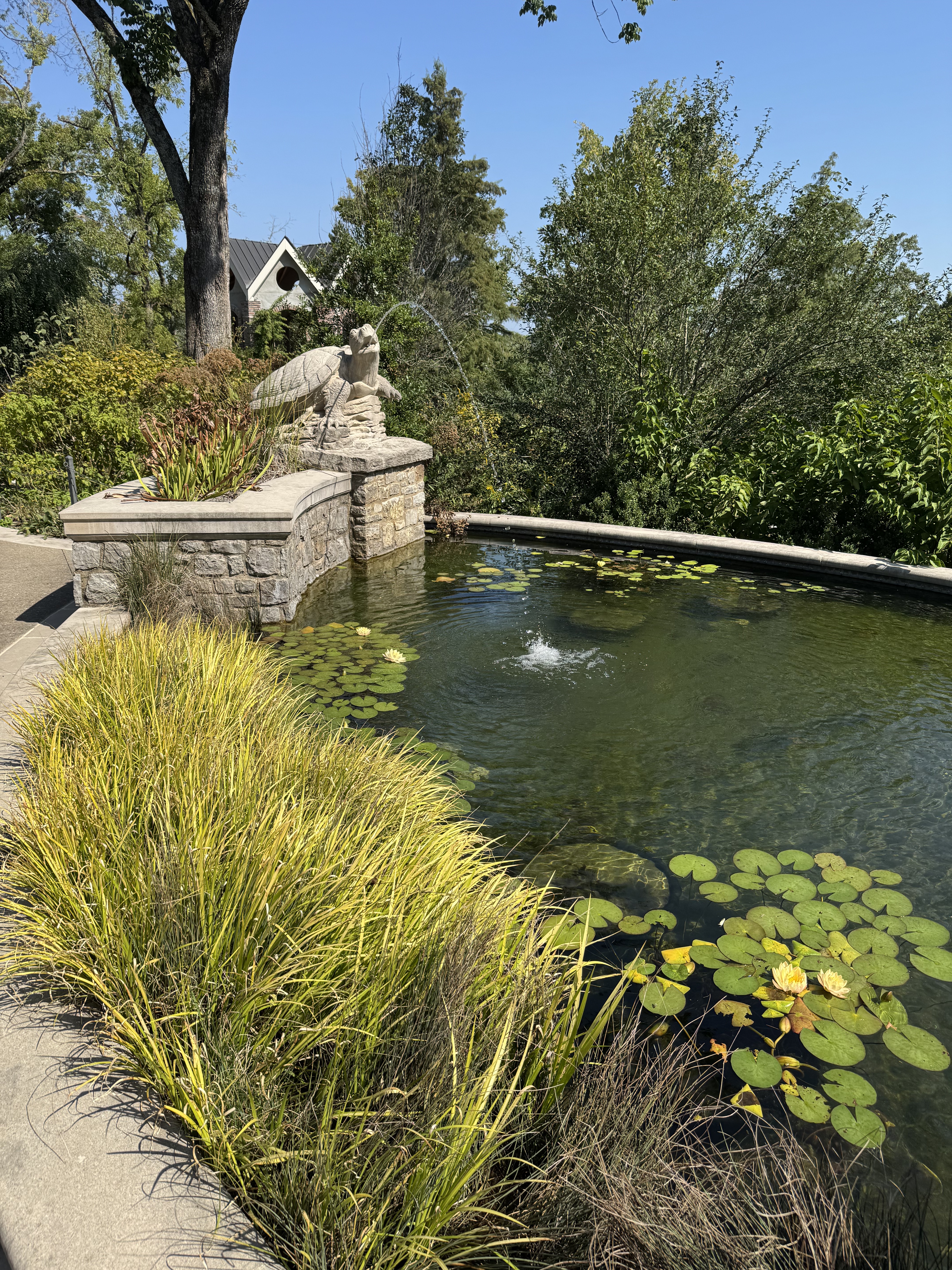
I took one spiral down to the water, then climbed slowly back up the hill. The property was compact, full of creeks, ponds, and open structures. A fantasy garden that one could imagine attracts fairies. The trails were mostly cement, and most places had handrails for steps. Some trails were irregular stone steps, but still with rails, gravel, and bark dust. The views turned inward to the garden; there were no mountain views or landscapes, but instead lovely ponds, open outdoor structures, some brick, others thatched, and some assembled from pumpkins for fall, and whimsical garden furniture.
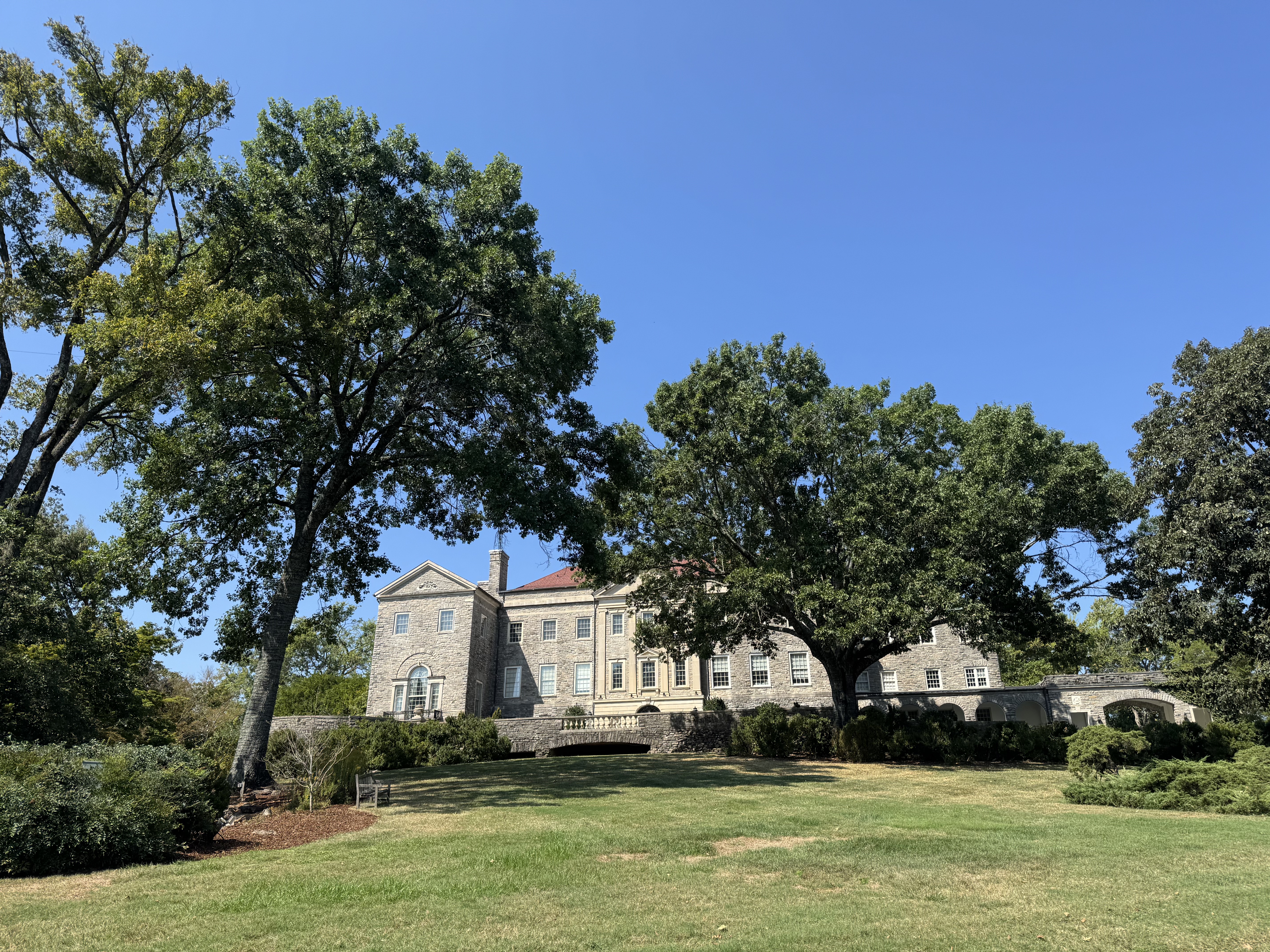
The house disappointed me; it felt empty, with 1930s furniture and items. A movie set more than a museum. The one exception was the library, which still contained books, now under some glass, and felt like the family would be right back. The place was full of early to mid-century American books on Homer, engraved printings, and some cultural studies. A photo showed a near-matching look from the 1930s, but the paintings were different. I asked a security person, and he then chatted with me and said, to his surprise, that the paintings had recently been changed, but he had never seen the painting in the photograph. We talked about Franklin, a local; he had never done a Civil War tour and might try it now, having heard about it from me (a like conversation would happen again for me).
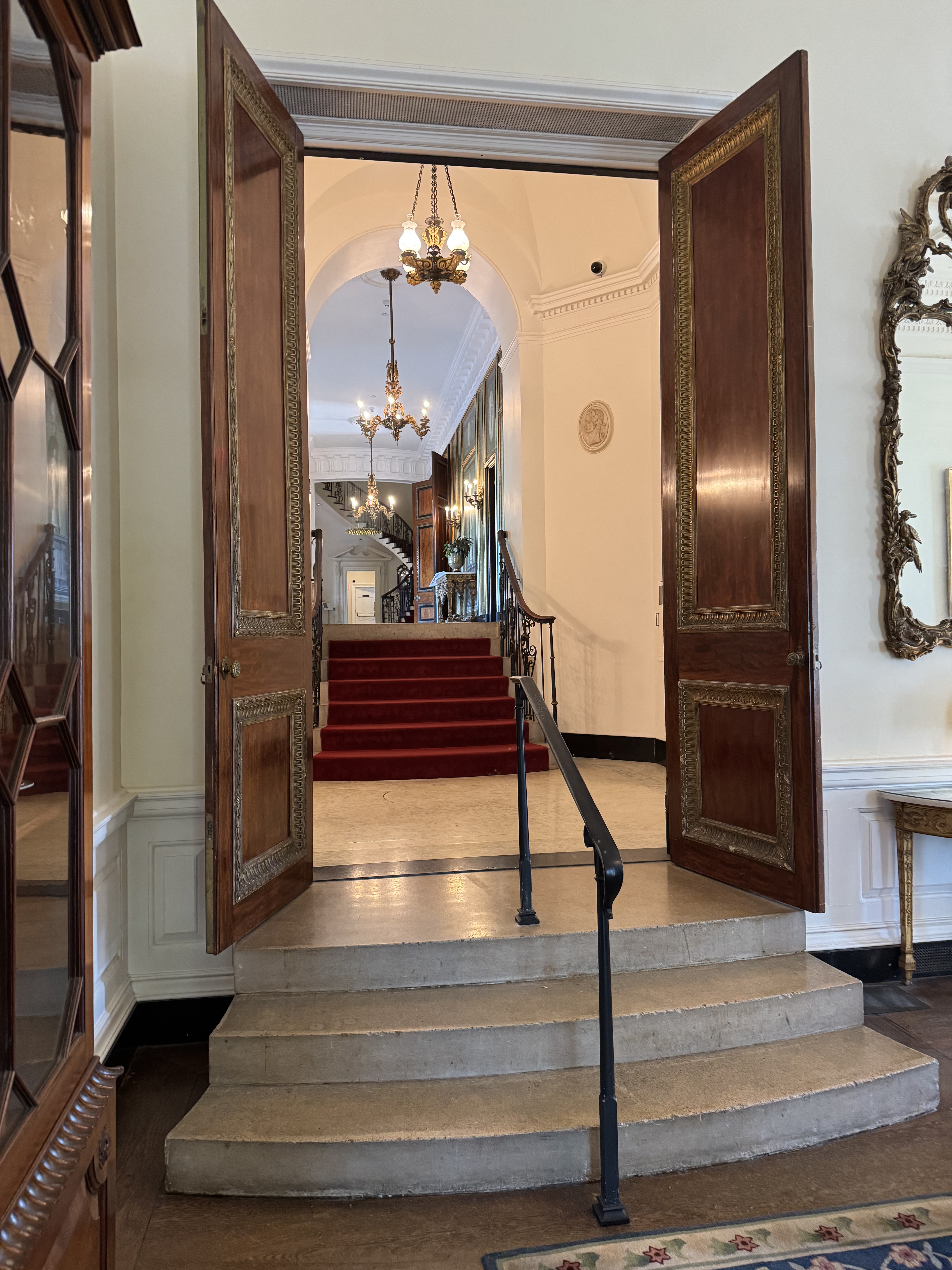
The third floor held the art collection, and about 1/3 had been purchased or borrowed recently. The collection was almost exclusively American painting, with some sketches. They have, and I have started to notice them, a Gilbert Stuart painting of George Washington and another American. This is the painting the US $1 bill carries, and Stuart made many versions. Washington sports different apparel in some (like the one I saw in NYC a few months ago). It was an interesting collection, and a few paintings and sketches caught my eye, but it was mostly what a rich guy would buy to hang on walls in the 1930s, and that makes sense.
I found the cafe after finishing the house. I asked if they had plans or a floor plan of the original layout (the servant quarters and tiny staircases were gone. Replaced by offices, elevators, and modern bathrooms. Nope, and I was told the request was unique. I am always looking for a layout of mansions for 1920s-40s role-playing games with room photos. There was a book on the manor, but it didn’t include the layout or room photos. New Orleans has a few books on the home layout there that are amazing.

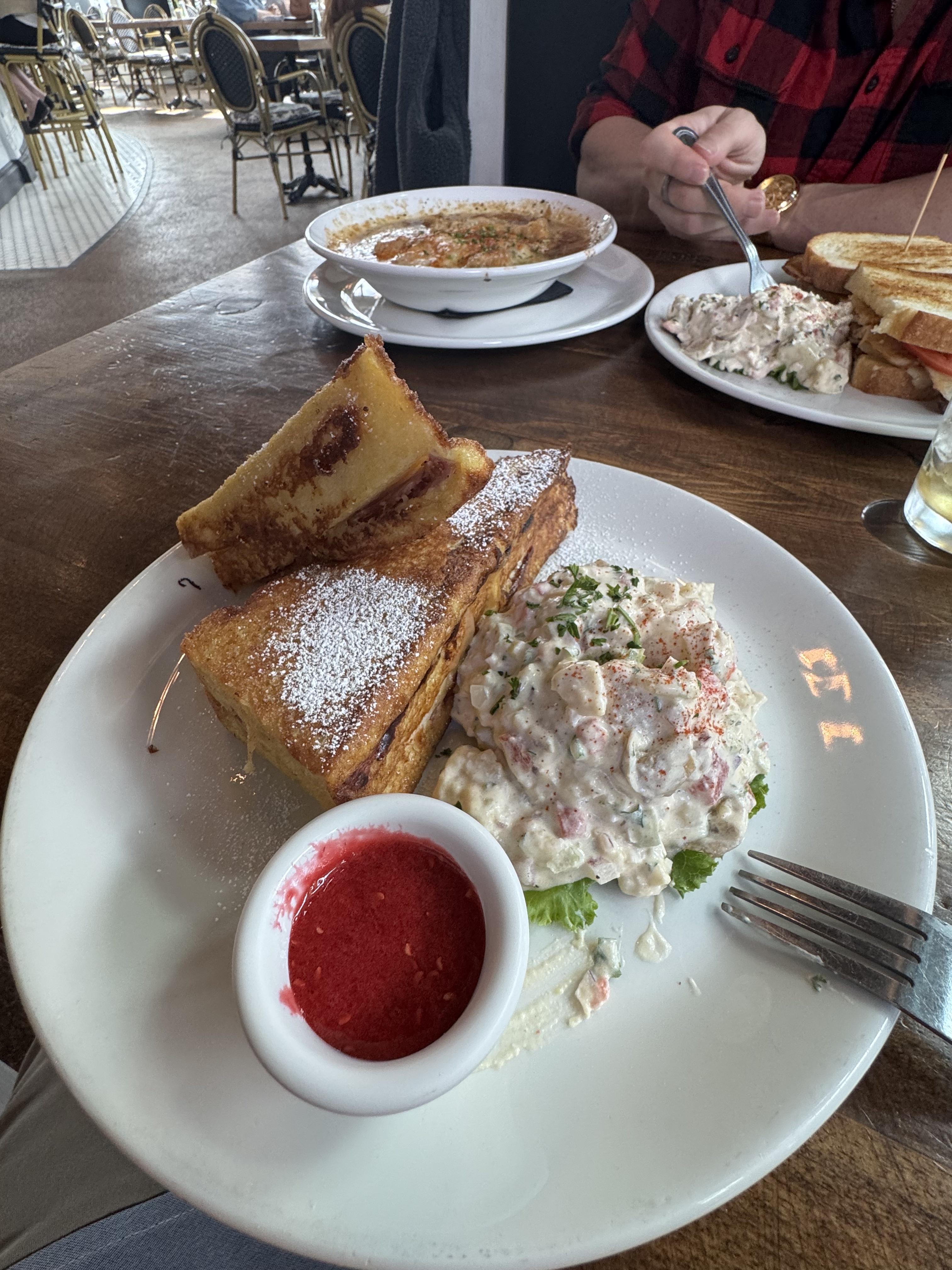
My sandwich, a sort of club and chicken salad mix, the Cheeky Club, was served by a former Oregonian, and we talked about home. She is moving back soon and has been enjoying the Nashville Area first for college and then for a total of eight years. With lunch, I head out and walk through the pumpkin display for a later kids’ party and pumpkin carving. I stop by the garden store and am told about the blasting, followed a minute later by a most alarming explosion. The ticket person was supposed to warn me that a blast was scheduled at 2. The explosion was loud, and the floor and building shook. Soon, columns of dust rose.

I ordered an Uber and returned to my hotel; it was very hot. Cheekwood has lots of brick, cement, and blacktop, and it was all radiating heat. Time to go.

My next Uber driver was friendly and pointed out the other mansion as we passed it by, a former antebellum plantation, Belle Meade Historic Site & Winery, and I added that and the closed American Civil War fort to my next-time list. We also passed the full-sized recreation of the Pantheon near Vanderbilt University. Soon we arrived at the hotel. I took a short break to drop off some items, wash up, and drink some water.
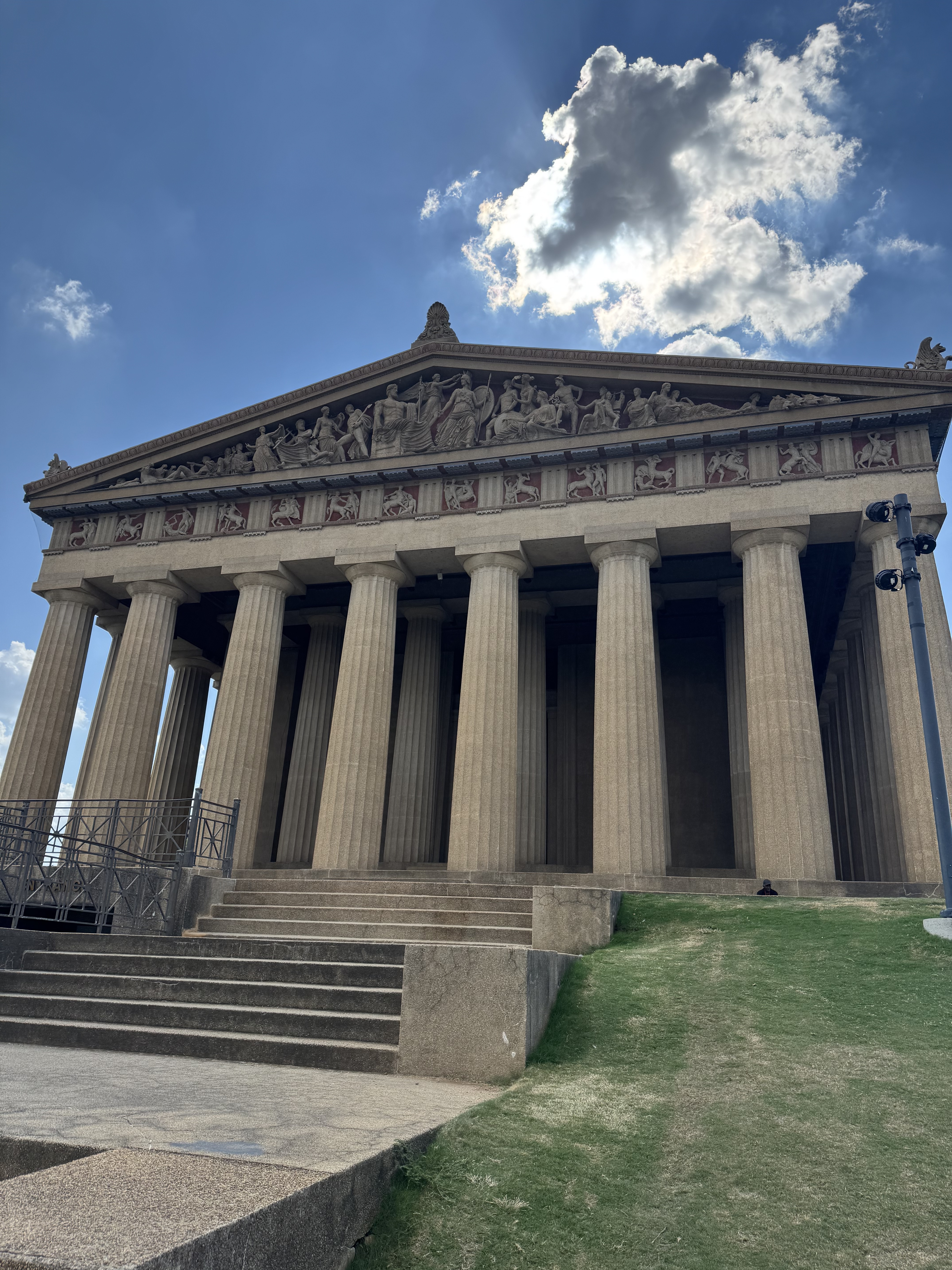
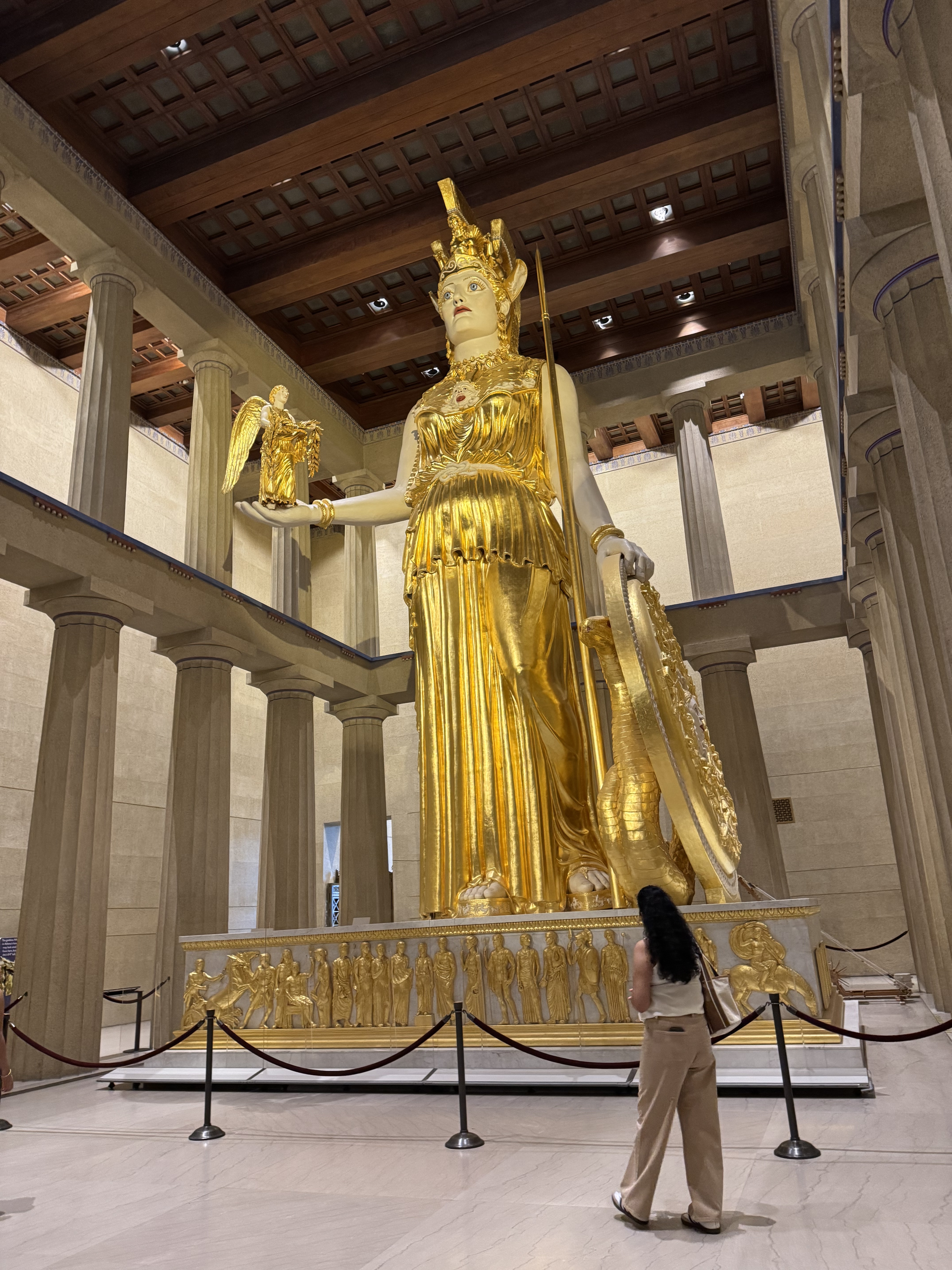
I ordered another Uber and left the Pantheon. A crazy former museum, rebuilt as a cement model of the original, with a full-sized giant Athena recently added. This I had to see. The Uber driver dropped me off at the entrance, and there was another $20 entrance fee, and I was soon looking at a huge Athena, slightly creepy and massive.
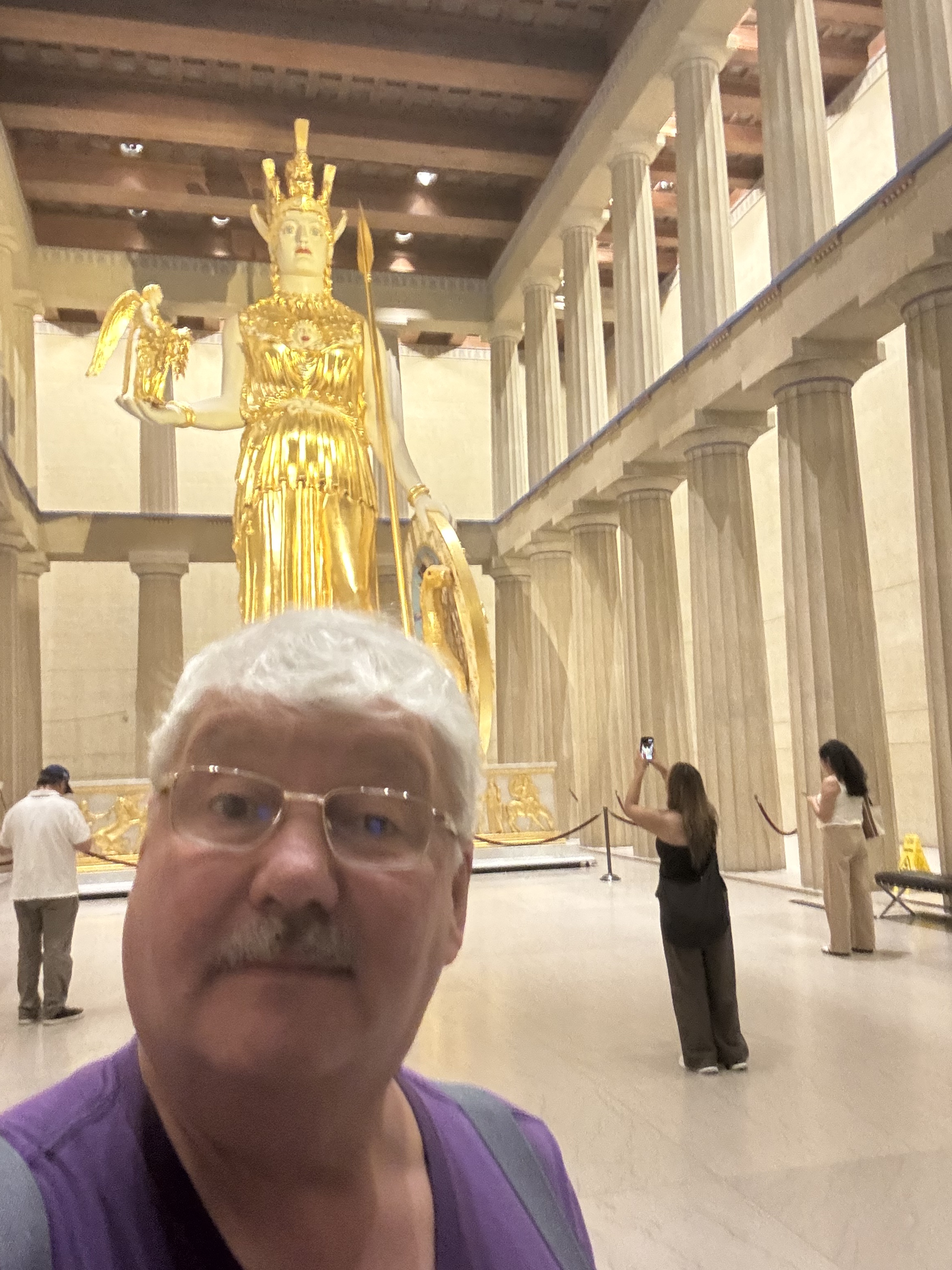
It is gilded and painted white like ivory, with grey eyes, “Athena, the Grey-eyed Goddess,” as Homer often repeated. The now mostly London-based frieze (see here for details on how it is in London and not Athens) is recreated outside in cast cement. The frieze’s remains were copied in casts made in London, and then the artists invented the rest. Some of the invention was created from old drawings from before the original building was blown up (yes, it really happened).  The building includes the copies and a small version of the frieze, one for each end of the building for easy viewing. Crazy. Ridiculous. I got a T-shirt.

I also noticed that in the reconstruction, Dionysus is naked with a club and reclining on a lion skin. The body form is not that of muscular Hercules, as I would have expected, but of the disguised Dionysus as Hercules, which fits The Frogs by Aristophanes, his winning play in Athens. I also learned that only the head of this statue was recovered from the wreckage of the original. Thus, this figure was more original than most of the reconstruction.  Somehow, Dionysus, disguised, being the most complete surviving figure, it just seems right. Though the building was built 40 years before the play, it must have been a well-known story.
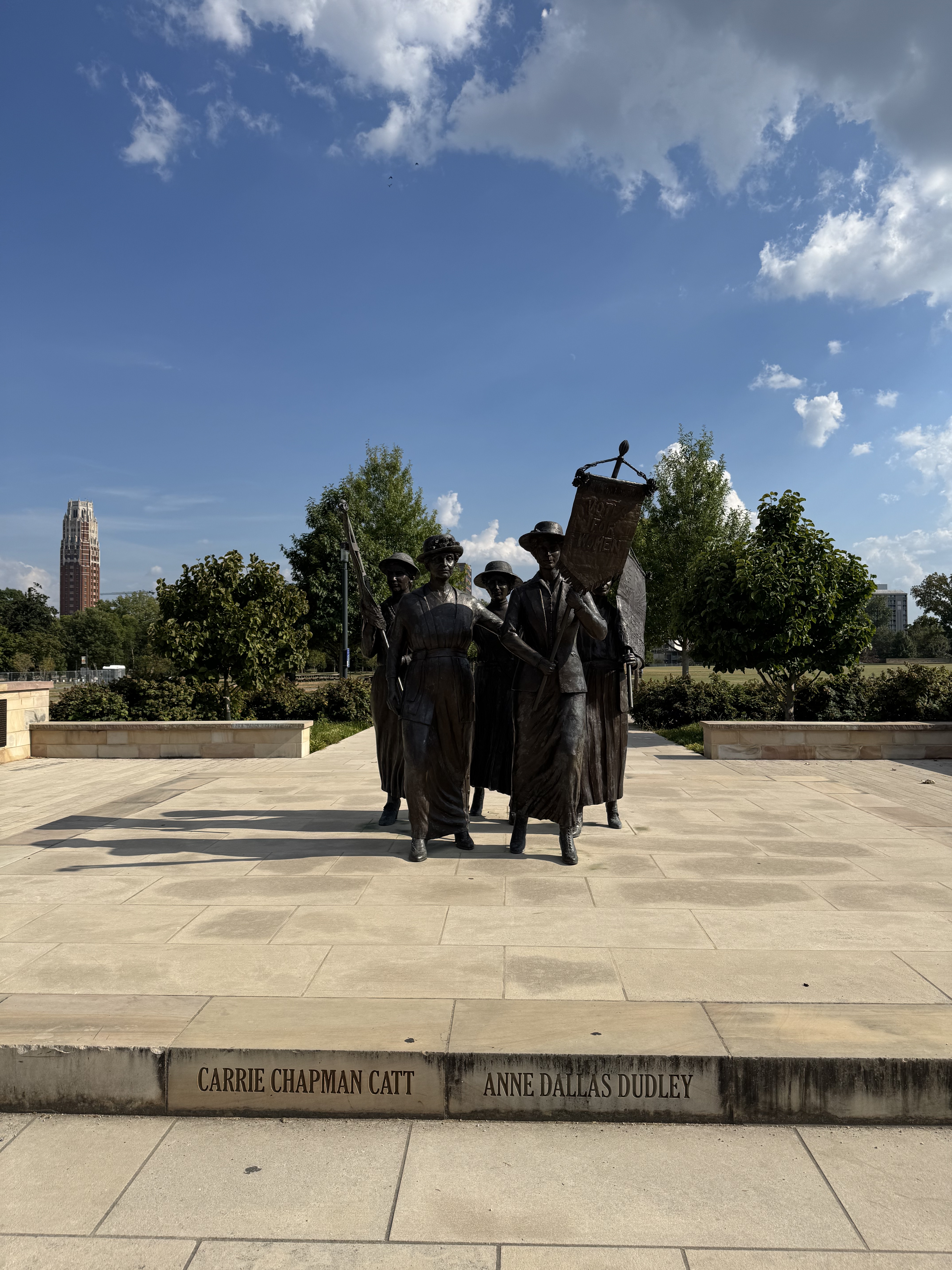
Vanderbilt University and a huge park, Centennial Park, surround the structure. Even though it’s hot, I walk in the park. The grass and trees make it feel less like an oven. I find a monument to the suffragettes and remember that Tennessee was the last state to pass the Women’s suffrage amendment.
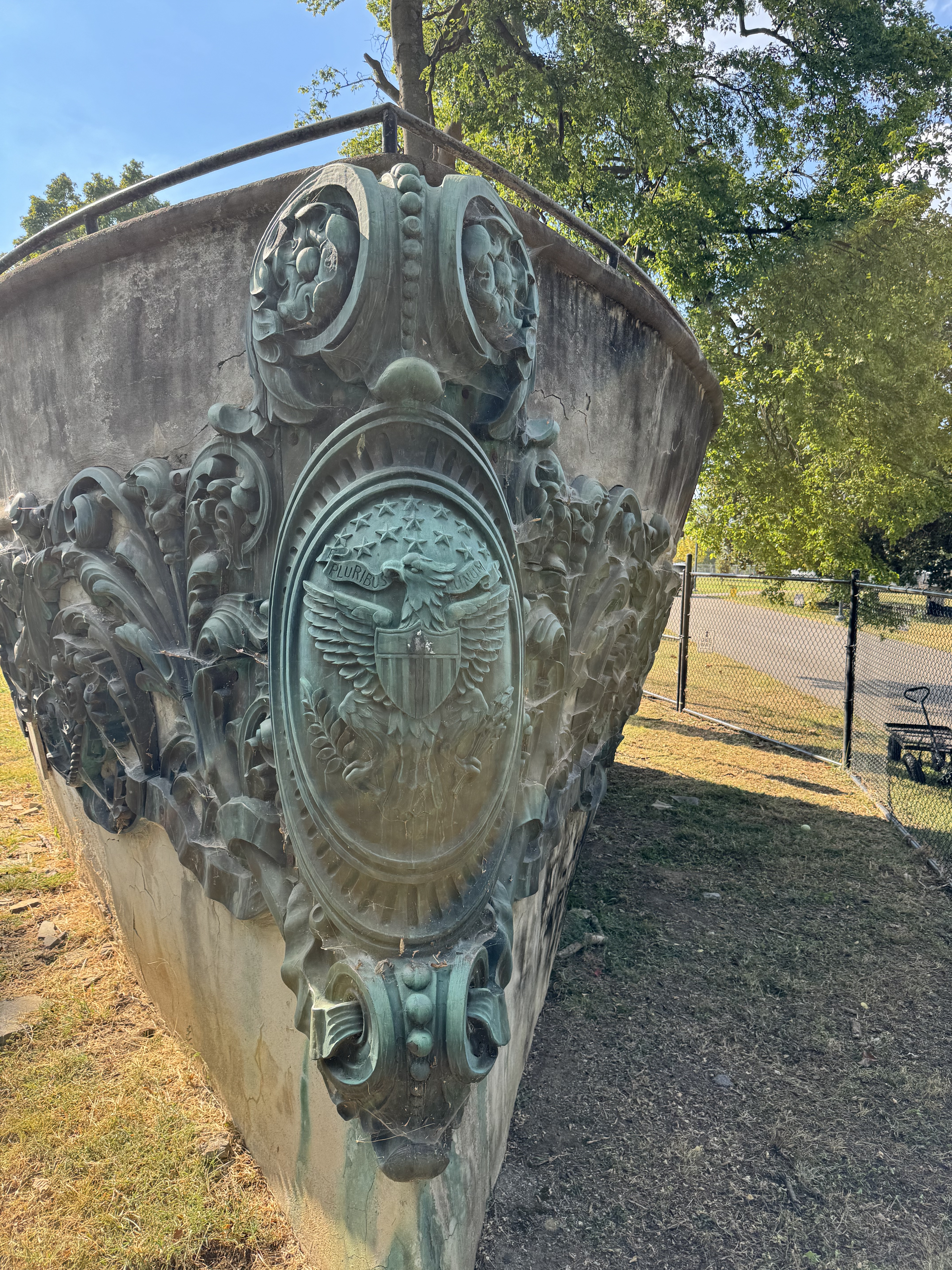
I also find a fenced-off cement bow of a ship: the U.S. Navy armored cruiser USS Tennessee (1904). Ships of this time had decorated bows, and that was recovered and moved here (the ship was wrecked), I read later. The steps and nature of this turn-of-the-century monument make it unsafe for kids, and it is fenced off. It was still a surprise to see this artifact.
I found the Vanderbilt University bookstore next, but learned that school books are now purchased online, and that it only had clothing and a few school items. I got a small notebook. But across the street (sort of, as this is a weird junction of roads here) was Martin’s BBQ, which I had heard of. It was just 4 (and the heat of the day), and a cold brew and ribs, maybe a small plate, sounded perfect.
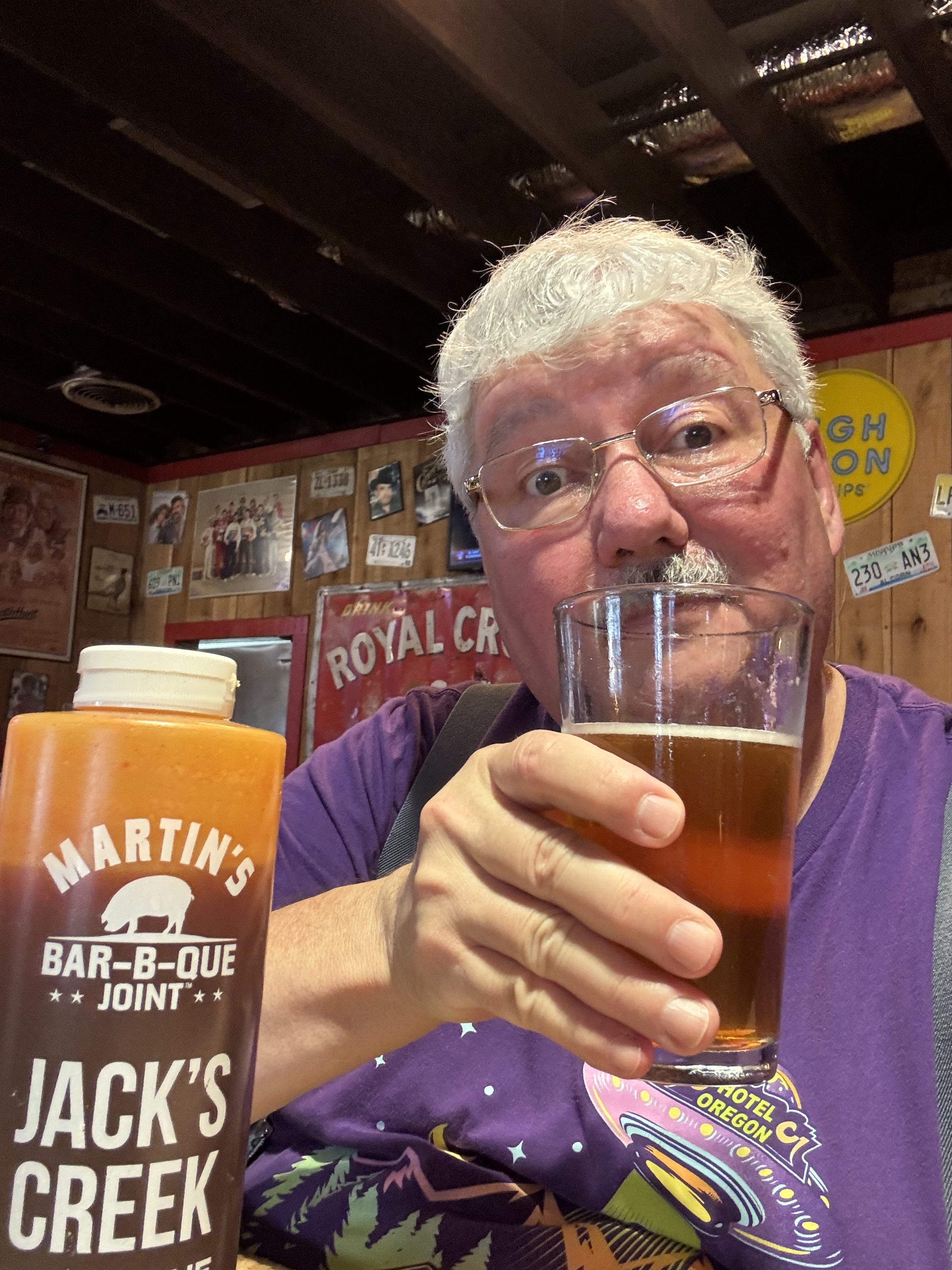
My idea of small and theirs are different, and I had dinner on just four ribs and end pieces. The bartender, there was full-service only at the bar, offered a cool beer, cold water, and food. This was a come-and-get-it place with tables for family style. I chatted with the bartender, and I picked a “snack.” And when he delivered a huge slab, he almost smiled and said, “snack.”
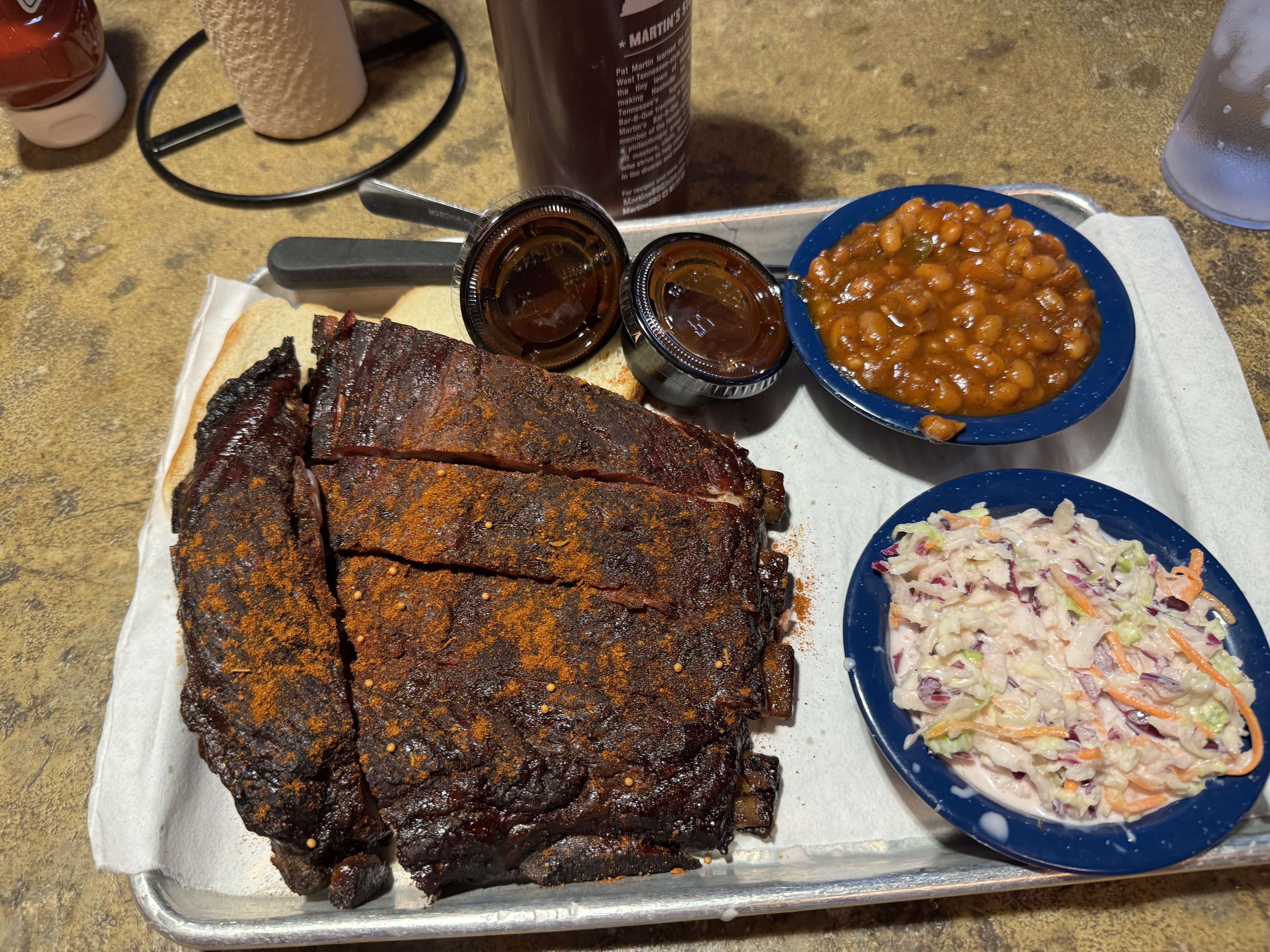
The ribs were excellent, and I tried some with their vinegar-based sauce, and while it added more life, it covered the smokiness. I ate them plain. The beans, recommended, were OK, and the coleslaw was creamy without too much edge. An excellent “snack”; I got no dinner after that!

I ordered another Uber; while it costs $$ it is less than $$$ for a car, and $$$ for parking. And I meet a lot of drivers and see more of the town instead of trying to find my way. Better, I think.

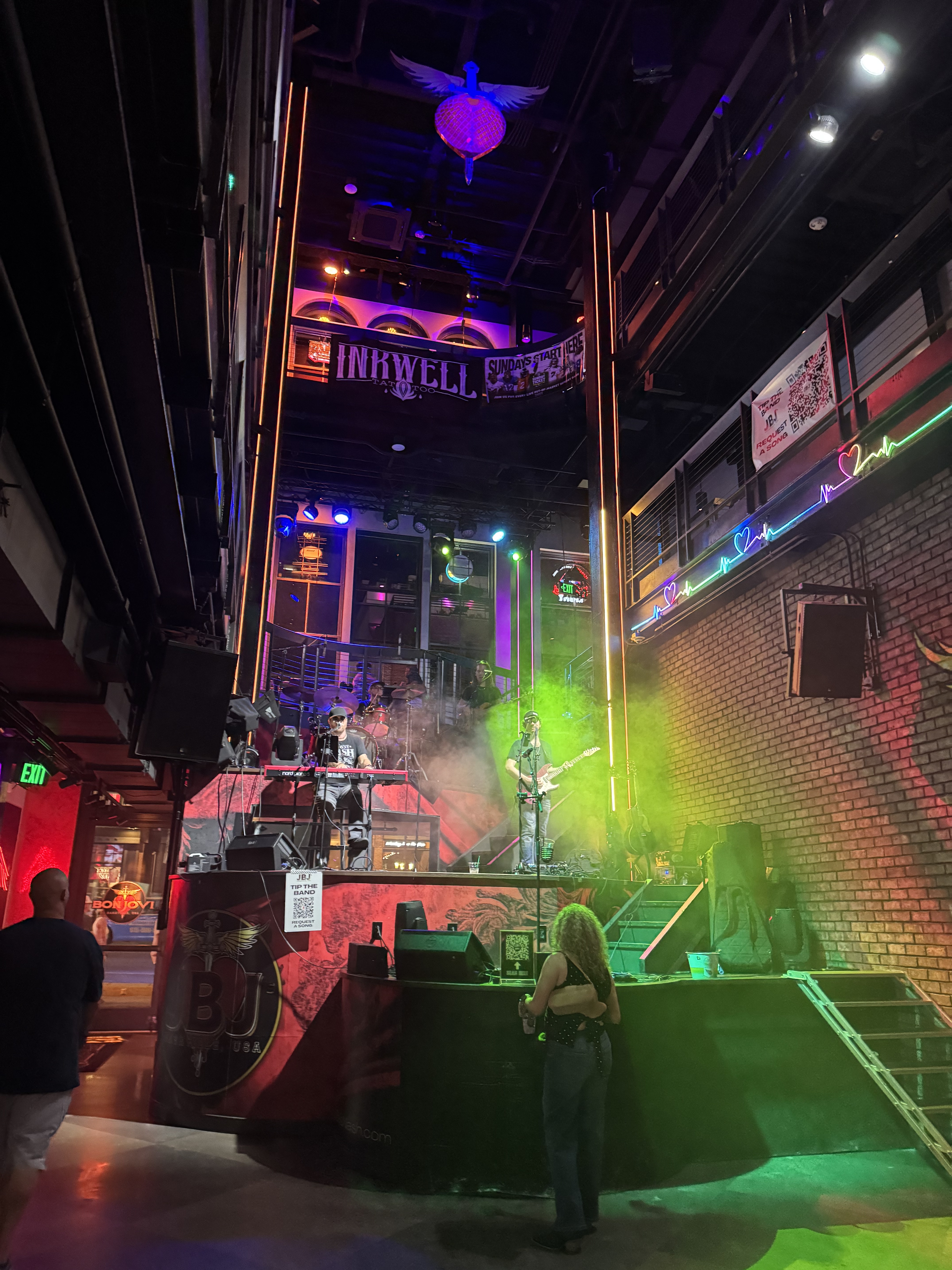
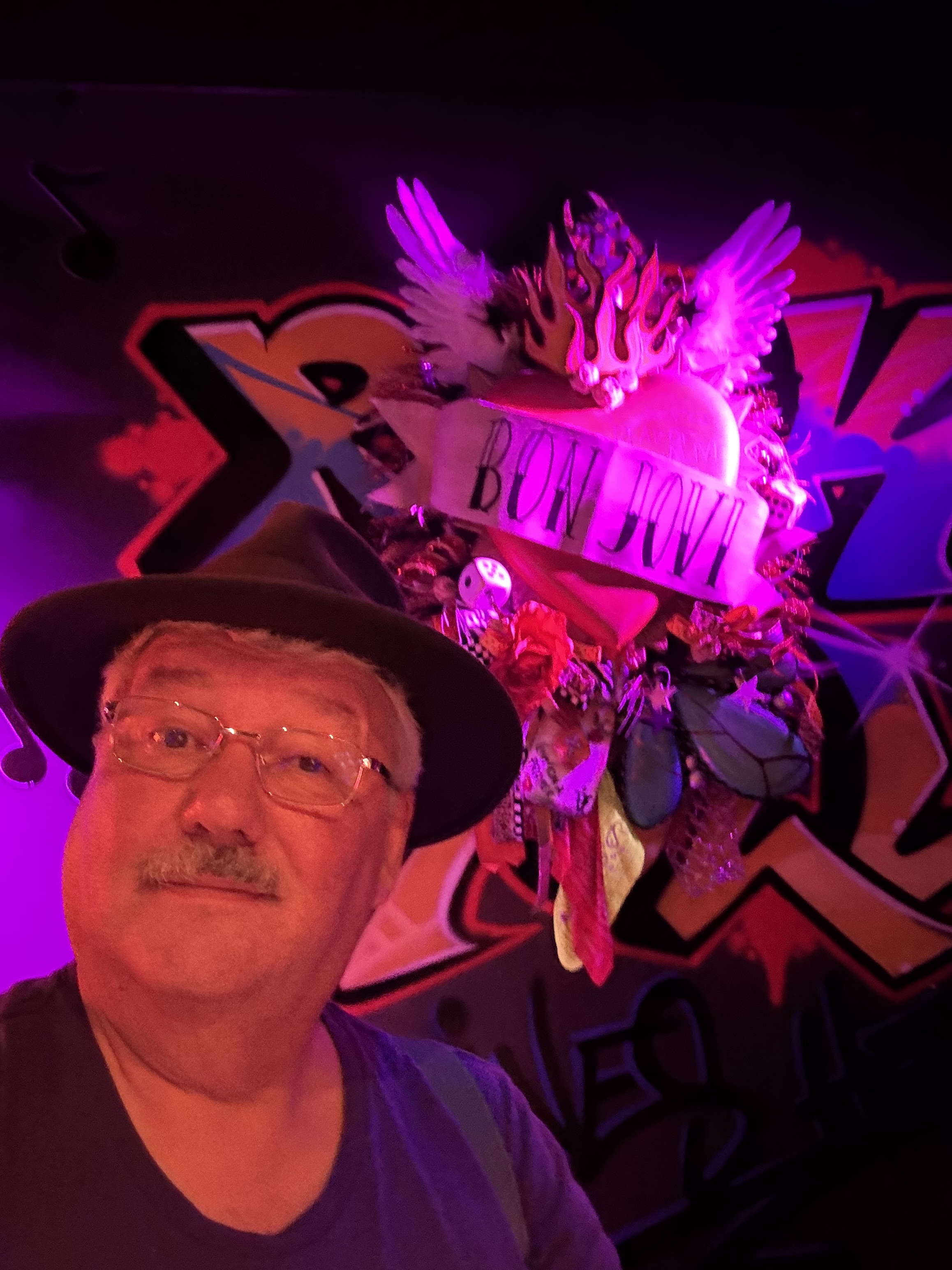
Back at the hotel, a nap comes, and I head out for my last night here. I head to the Bon Jovi place, JBJ, and find I know the songs and sing along. I look around, and only grey-haired folks are singing. But I do see some men with hats, though none with my comfortable wool version (crushable). Still, I spend an hour finding an open chair near the front and enjoy the music.
I talk to Deborah, having to call her back, as it is loud outside. I then chatted with her for a bit. I miss dancing with her.

I try a few bars, but the music is often something I don’t know or have only heard on the radio. I return to JBJ and walk to the top, stopping at the balconies for other views. I reach the roof, and there is no promised live music, and a DJ is setting up. Not my scene. I stay at the JBJ, find a table on the balcony, and stand on the main floor until 10, when the band, after playing over three hours of mostly requests and letting one person take the mic once, finally packs it in. I leave as they finish, return to my hotel, pack (mostly squishing and making things fit, and soon sleep. I wake only a few times. Thanks for reading.
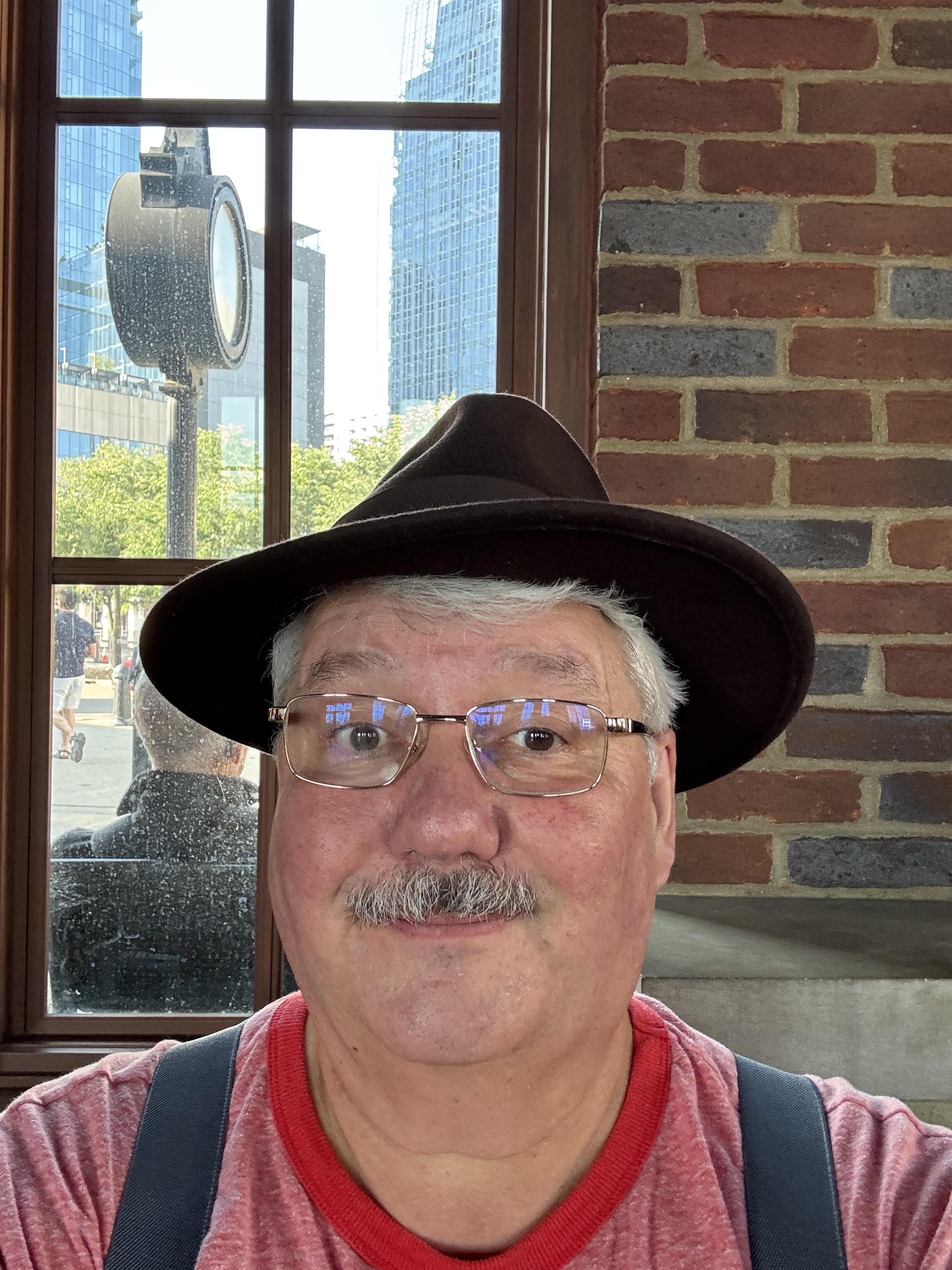
Aside: My bus is delayed, and I am waiting at the Greyhound station while writing this on Friday.
Wednesday Past and Present Freely Mixed

Looking back on Thursday morning to Wednesday, I see it as a strange mix, like a salad dressing that you keep having to shake, of the past and current. Both seem to switch back and forth without warning. I am looking at a cannonball stack; the cannonballs are real and found in the area, but modern cars and shops are everywhere in the same view. I have pizza, definitely not an American Civil War meal, in sight of two statues and at least one gun pointed in my general direction. Everything seems uneven and not congruent.

Wednesday was a good day, and though I struggled with my cough (lots of cough drops, no sugar), it was as good as I hoped, and even maybe better. Wednesday started with my alarm at 6, too f**king early for me with the time change of two hours, and I soon showered (the shower was just set it to max and go), dressed (selecting a Disney Darth Vader as it was the lightest one I had), and found breakfast downstairs in the lobby. It was the usual complimentary industrial breakfast and made without any flair (in Chicago, the food at the Hampton Inn at the Majestic was better, or at least seemed better). Still, it was free, and I wrote the blog for about an hour, having to rush the last bit.

I returned to my room, hid the laptop (just enough to make it an effort to steal), and grabbed a notebook to record any thoughts (it is less trauma to lose a notebook than a laptop), my book about the battle by Wiley Sword, pens, cough drops, and the Hilton bag with two bottles of water the hotel gave me at check-in.

It was already hot and sticky, heading to 94°F (34°C), and the walk was six blocks (short ones) to the bus station. There, I enjoyed the air-conditioned train depot, which had been remodeled (or rebuilt, since this area would have been completely submerged in the last great flood in 2010). Soon I met some folks on the trip and waited for our start time. Michael, our driver, who was blessed with a friendly voice and manner, was also our tour guide and soon had us headed south to the battlefields.

He provided the setting of the battle: the last chance for the Confederate Army to win big, and Nashville was the target. It was occupied by 8,000 troops, and another 30,000 were on their way. These troops needed to fight a delaying action while withdrawing to Nashville. General Hood, a favorite of Confederate President Davis, was put in charge because he was an attacking general. But historians often portray him as thoughtless, delusional, or even intoxicated (though this claim is widely disputed), and he ends up attacking reinforced positions in Franklin (1864), costing his army 1/3 of its strength. This is the battlefield we come to visit, one of the bloodiest battles and the last offensive operation of any size made by the Confederate Army against a Union Army.

The Carnton House is our first stop. Eric A. Jacobson is our tour guide and also the CEO of the Franklin Trust and writer of many books about the battle and the people in the area. He is hypnotic as he weaves the tale of the house, the family, and then the battle. He explains that the English King forced slavery on the colonies as a cynical economic move to make cash from them. The US was saddled with an unresolved issue that split the country and infected politics, people’s lives, and the economy. The rapes, the confused families, and the abuse are all part of this infection, and the depth of the loss and depravity was endless.

Eric describes the McGavock family as willing participants in slavery and as using slavery to make their plantation successful. They did not support the war, believing it would be difficult, if not impossible, to win (and that the results were unlikely to be positive). Some of their children fought, and one died at the house in Franklin from wounds received in the battle (1864).

Mariah was a slave at the house; her bust is there in the house, and she was freed and outlived them all (into the 1920s). Mariah lived in Franklin, and Eric imagines them meeting later by accident in town, an awkward moment. According to Wikipedia, she worked for the family as a freed person, but Eric suggested otherwise.

Eric took us upstairs; no photos inside the house, and bloodstains marked the exposed wooden floors. Other than the paint and wallpaper, the house was original (with some items also from the family or at least from the time period). The house served as a hospital during the battle, mostly for Confederates. The family created a cemetery for the dead, and it is the largest Confederate cemetery.

This is 1864, and Eric explains that the doctors/surgeons knew their profession after years of war. Head and abdominal wounds were known to be unsurvivable, and soldiers with these wounds were allowed to pass. But the survival rate was 70% for those who reached Carnton House, according to the information we have, said Eric, and they knew their craft, he also said.

I managed to get some pens and a map before being the last person back to the bus. Lunch followed after a brief drive to the other side of Franklin. I picked the pizza joint; nobody joined me. I had an iced tea with my all-veggie pizza (trying to pick something that was filling but not likely to make me sleepy). Franklin, like lots of small towns, was full of shops with various quaint gifts and local products. This downtown was built from 1900 to the 1940s. They knew their tourists, and there were two distilleries selling, though I did not visit them, local booze at tourist prices. A slightly damaged Confederate (his hat appears to have aged poorly) was on a tall column from the 1900s, from the Daughters of the Confederacy. Hmmm.

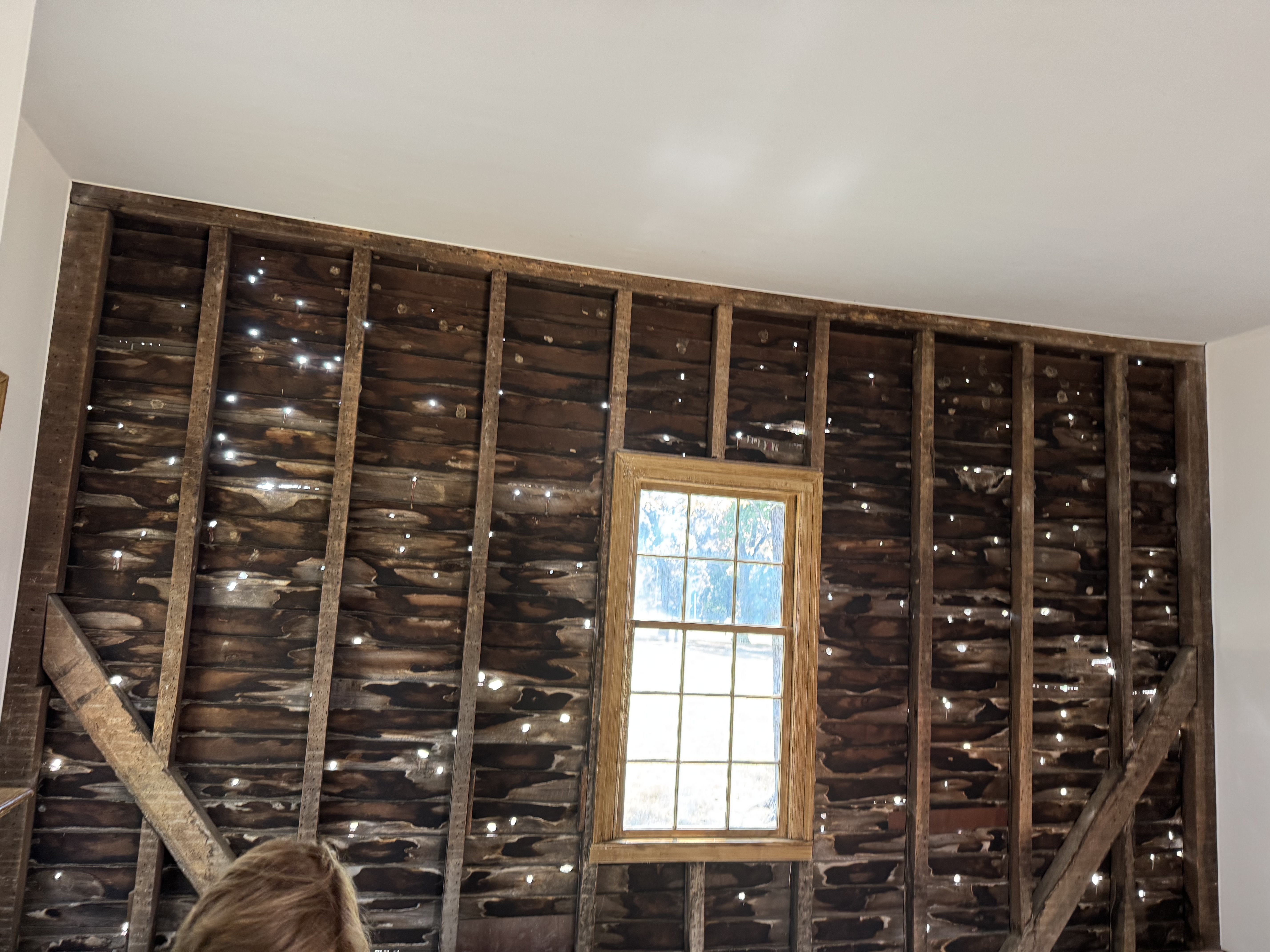
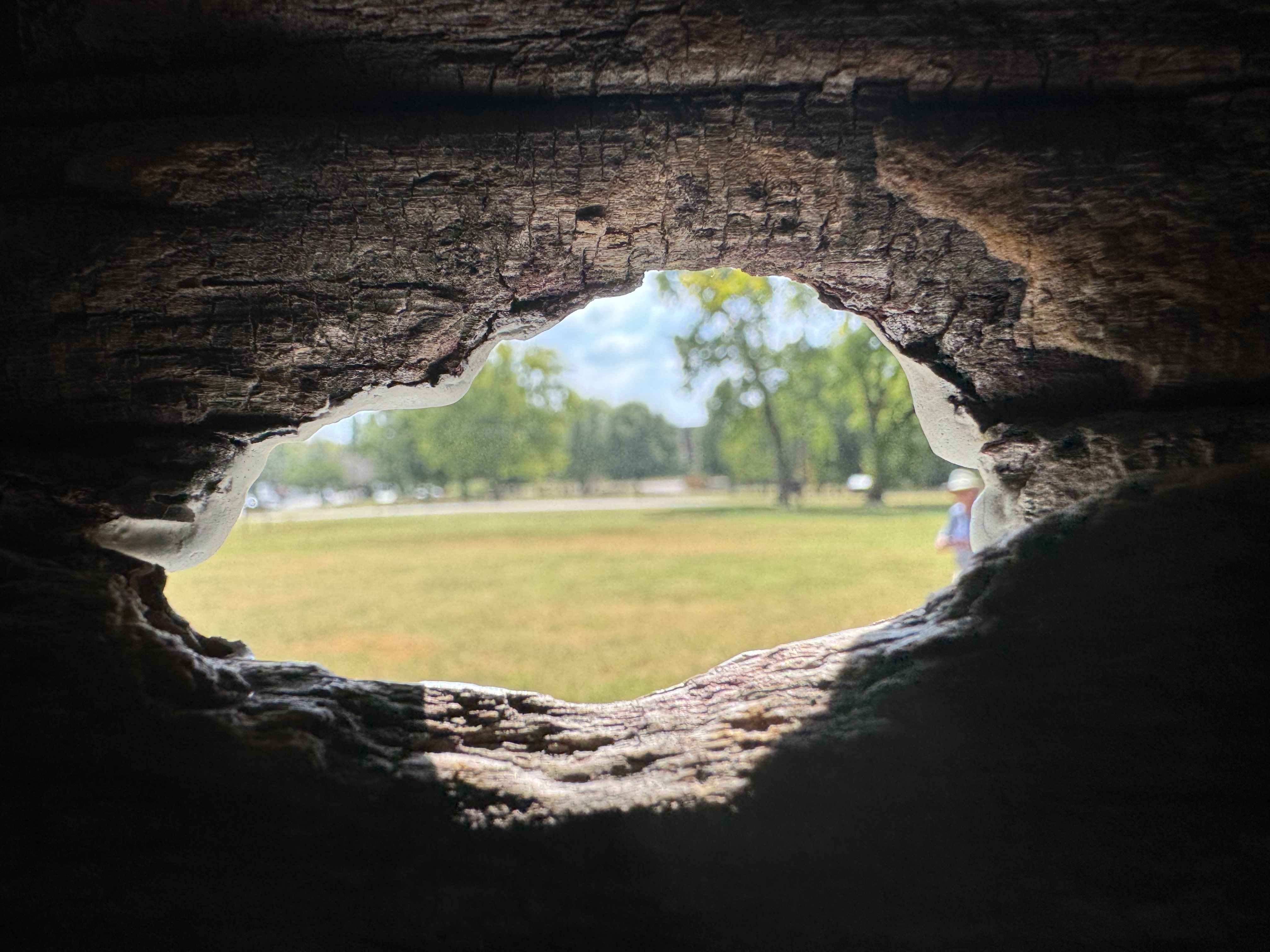
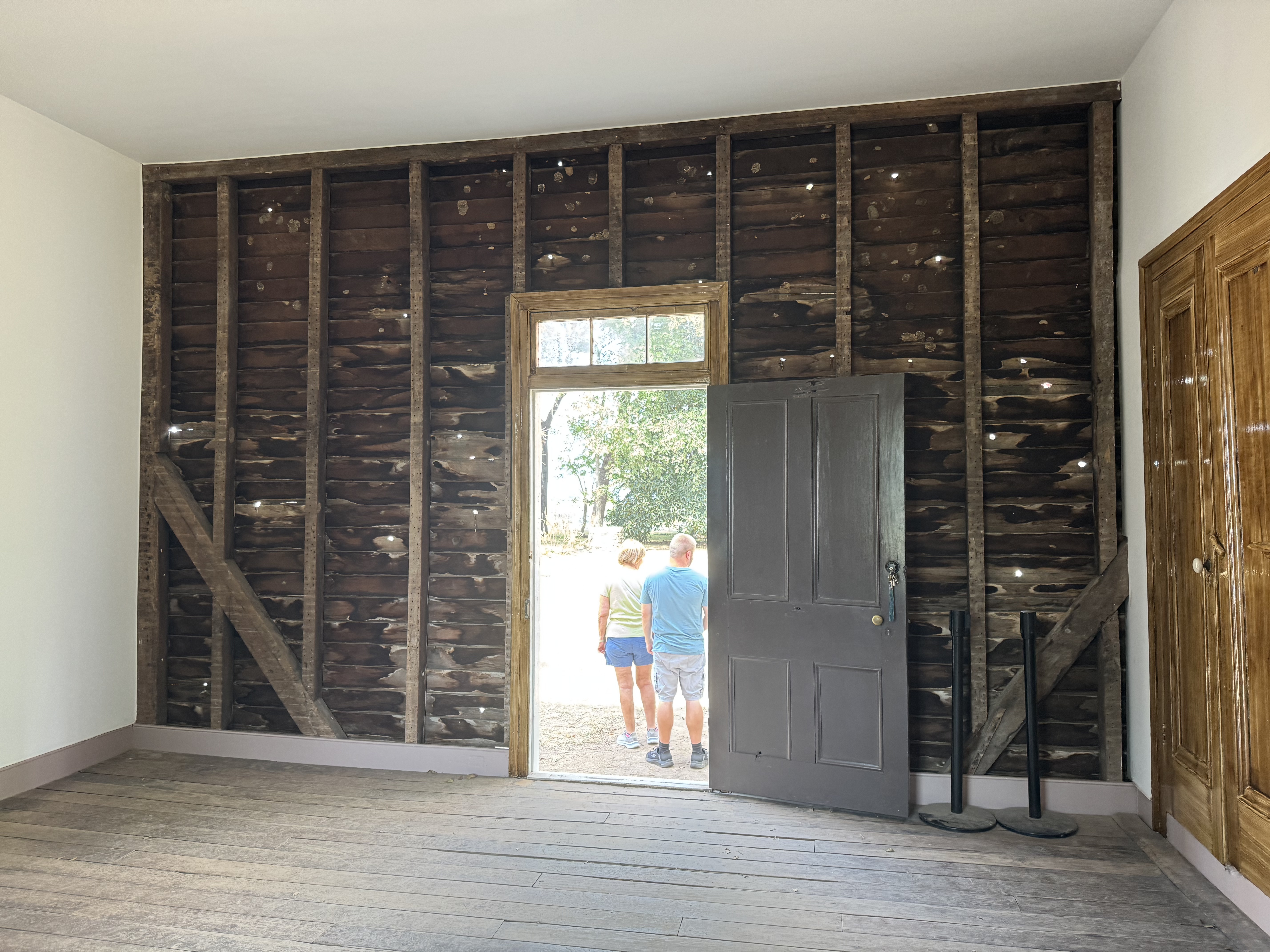
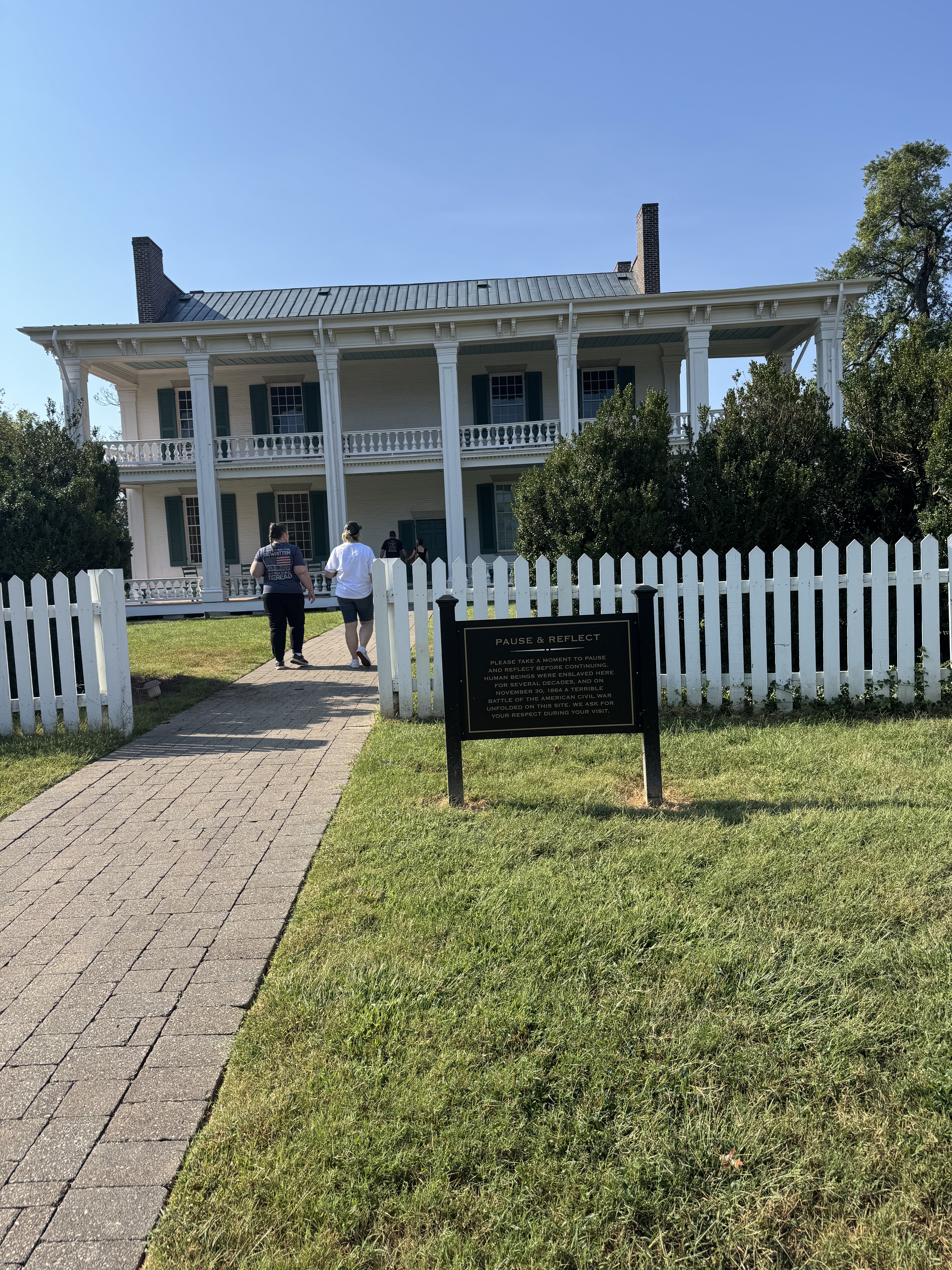
The Carter House was on the battle line, and the family, having been told that it was inconceivable (my words) that Hood would attack such a strong position, were trapped in the basement while their house was now in the battle. The walls of the house show holes and even cannon shot. The farm office walls still show the holes, and the plaster was removed recently to both show the war damage and to help the wood dry out and not rot. It is an impressive sight.

The Carters were slave owners, and they made their money using slave labor and growing crops on their fields, including, though it was not a usual place for it, cotton. The cotton gin building across the street was also on the battle lines, and a Confederate general was slain trying to organize the attack. Our tour guide for the Carter House took us into the basement, where the families stayed during the battle. A chair sat there for everyone they knew who was there, filling the walls. There were likely slaves and others who went unrecorded. Some of the chairs were made there. We saw one upstairs that was damaged by a bullet.

I learned later that the stink of death lasted for years here and that it took a long time to get the dead horses off the property. I was told that the shoes and nails from the horses were reused to fix the houses. The yard was full of bodies when they left the house. The Lotz House is across the street and is also a museum.

Next, we traveled for a minute, and Thomas gave us a fun and strange talk about the house and the family who lived there. The Lotz family filled the house with examples of excellent carpentry and modern items. According to Thomas, this was to sell the owner’s skill for new construction. The Lotz lived in the model, including the then-modern coal fireplaces. The house is also filled with findings from the battlefield, including a huge pot found filled with 10,000 bullets.

Thomas imagines the young daughter’s experience, Matilda Lotz, as the Union troops raid their home and slaughter their livestock, with the child watching her favorite cow being slain. The daughter would leave, travel the world, and become a renowned artist (knowing the Hursts after moving to California), with her paintings of animals seeming to show the animals with joy (The house has quite a few of her paintings).

I later learned it is considered one of the most haunted places in the USA. Thomas also covered that the dents in the floors are from boot nails that were in fashion for a short time during the Civil War (the family would not have worn them). He also points out two blood stains (but refuses to do a “blood tour”). The boards are interrupted with newer work, without the dents, and held in with horseshoe nails (salvaged from the dead horses, Thomas tells us). These are the cannonball hole patches. There are two, and they crashed through the roof and all the floors.

The spooky feeling second-floor family room, I remember being discomfited by the room before I learned about it and the haunting even later, was mostly decorated with new wallpaper, but the pattern was recovered from fragments found in the walls during repairs. This room was where 40 dead and wounded soldiers were found. They ran into the house after being wounded. Thomas had said there were bloodstains everywhere, and he was not going to dwell on it.

I was happy to leave Lotz House, but glad I had made the visit. Michael then drove us back with only a few comments. We were all tired out by the constant standing and heat. Thomas, Shea, and Eric all put their own spin on events and history. I enjoyed their talks and could see each as a facet of the same gem of history. Thomas, kind of a retired Indiana Jones (having dug up artifacts from his boyhood and later recovering lost soldiers from now-private property), told Matilda Lotz’s story as a hero who survived and made a famous life after the battle and after seeing her animals butchered for food. Shea, eight years of tour giving, tells the story of the families, a product of their time and giving no excuses, a tale of just surviving and recovering. Shea also reminded us that nearly every one of the bullet holes was someone aiming to kill a human. Eric, the scholar and CEO of the Franklin Trust, tells the story of a family who became the owners of a hospital and graveyard who must burn the carpets as the house is soaked with blood, not of battle, but of mercy. The stench of blood stayed with the house for years, one of the family members recorded.

I sat on the bus trying to make sense of what I had seen as Michael returned us to Nashville. I knew the CSA had lost the war here. It was now full of neon and music. The forts are mostly gone; one is a park (under construction and unavailable for a visit this time). I walked back to my hotel, took a short nap, and then headed out.

(I am a stranger in a strange land)

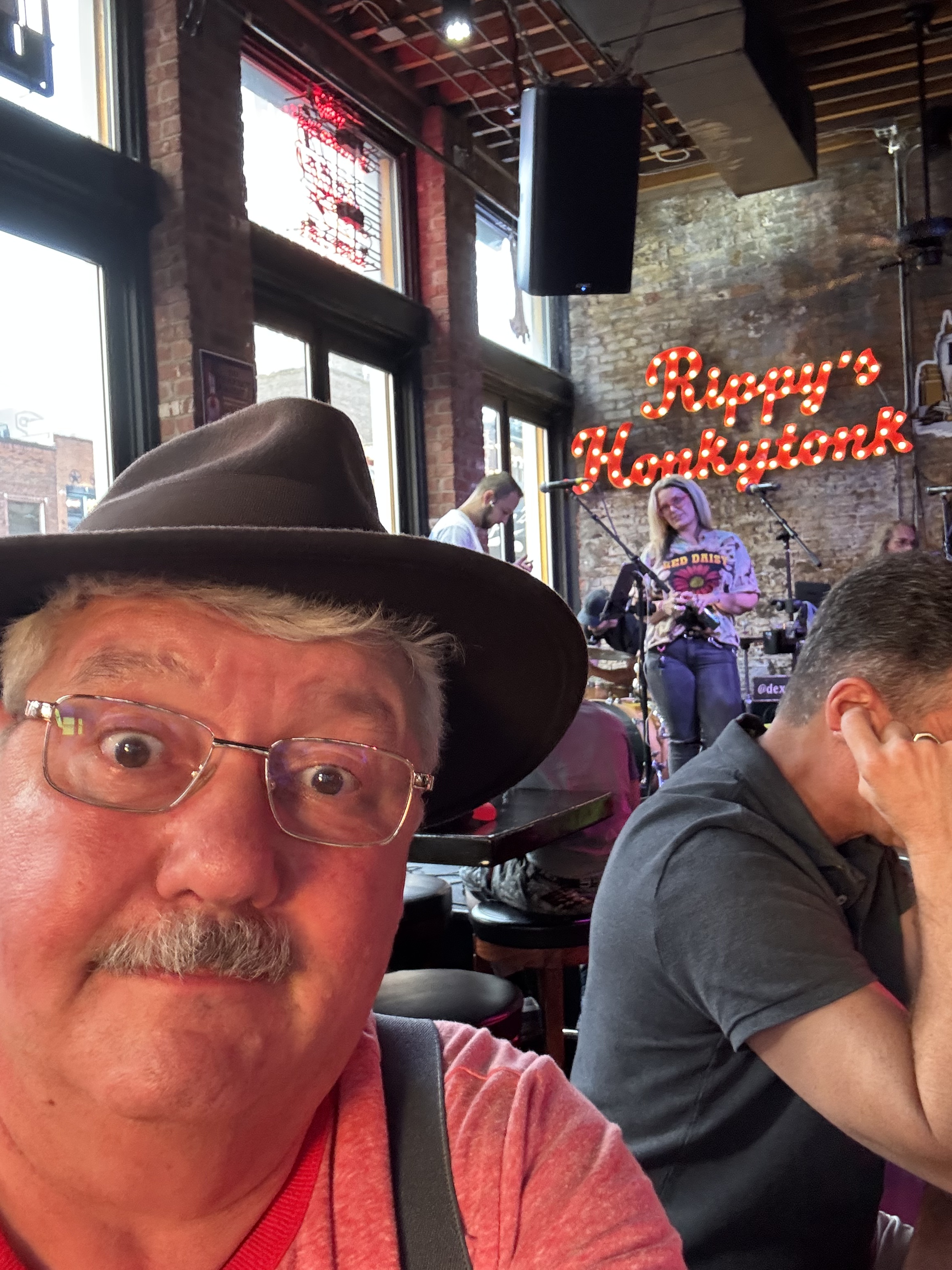
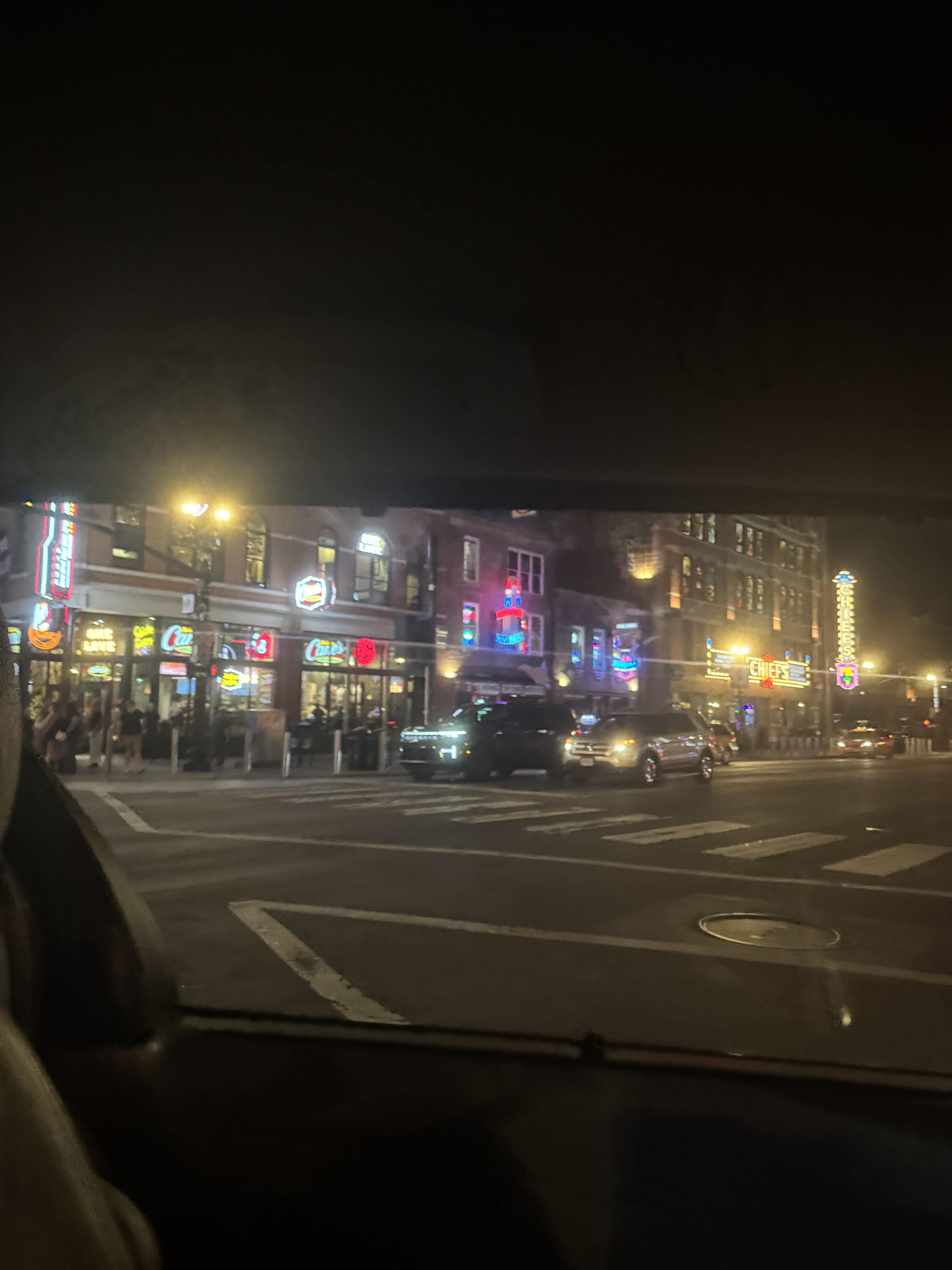
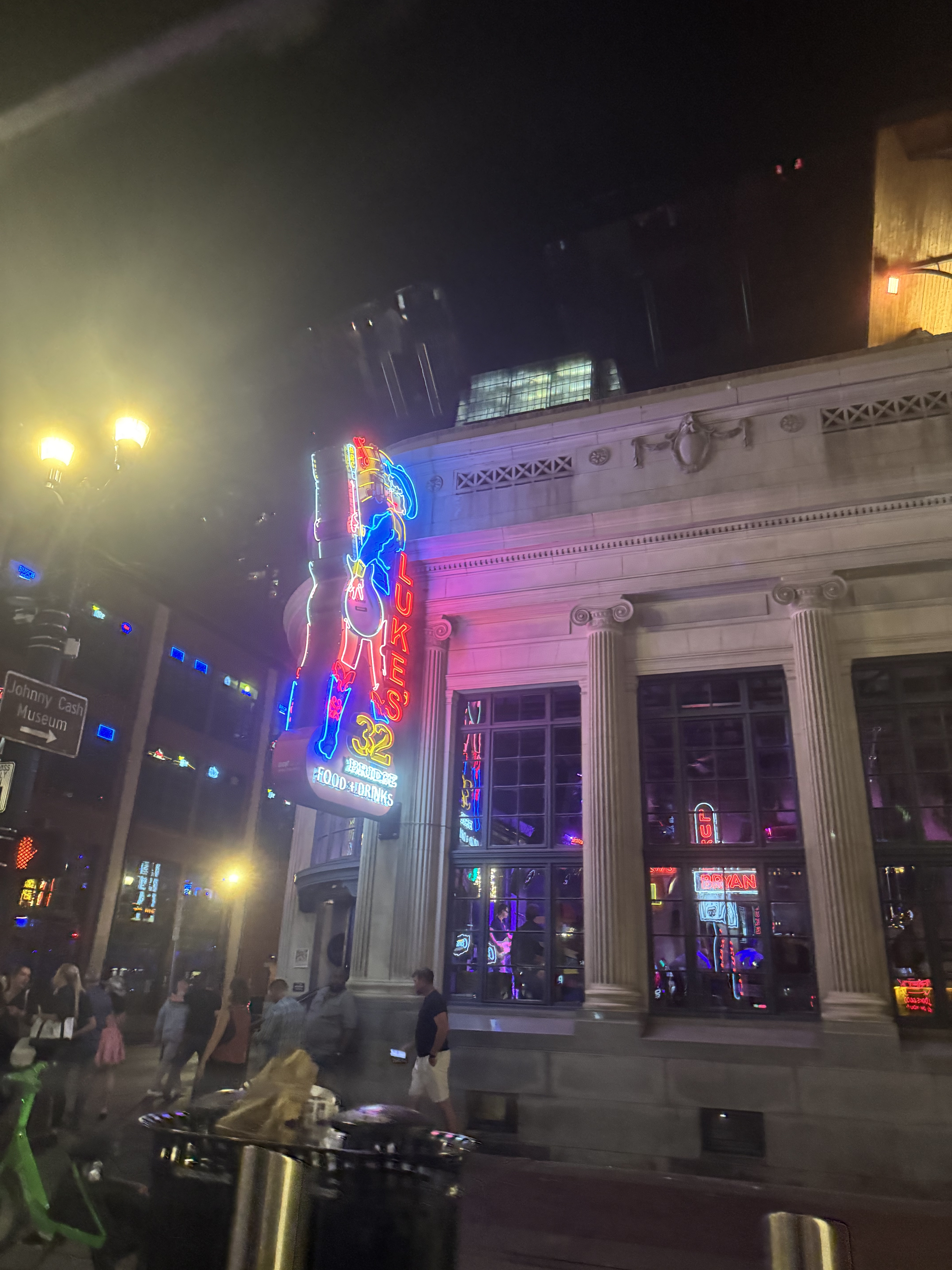
I walked Broadway, filled with tourists with drinks too large for usual consumption. I heard country and some hillbilly rock here and there. I picked Ripply’s BBQ because it had a sign with a pig on it, found a spot at the bar, ate too much BBQ, and listened to live music. I sang along with songs older than the people singing them and noticed only folks with gray hair knew the words. I was also the only guy with a cowboy hat; the others were white hats (often with feathers) and on women’s heads. The baseball hat was the new men’s choice; I could see now. I did not care. It was good to be alive in this silly place doing silly things and singing.

I left after paying too much for the beers and about the right price for the BBQ, and walked up three sets of stairs to Nudie’s place’s roof bar (a clothing designer’s name, not a nude bar—this is boots and hats with clothing). I got a ginger ale (for the cost of a real drink) and looked at the street all aglow. Another older man stood next to me, started a conversation (us gray-haired people stick together), and I told him about the tour; they might take it, and we both looked out at this crazy happy place, and I said words to the effect, “Here is where the war ended, and the country we know was made possible.” Bubbles were blowing out of the Rock Bon Jovi place next door. It seemed a good place to make a country.

I walked back, happy that I had only two beers in the 84F remaining heat and humidity. A panhandler hit me up, and I waved them off. Reaching for my wallet alone on a darkish street seemed unwise. I talked to more folks about the tour in the lobby (more older folks). I went to my room, and soon slept too early for the time change. I woke a few times. I dreamed a lot, but I can recall little other than that there were tour guides.

Thanks for reading.


Tuesday Another Traveling Day

Tuesday was mostly on airplanes or between airplanes. I woke up startled, remembering I had only a few hours before the travel started. I am packed with only the last-minute items waiting to be added to my usual red Nike gym bag after I use them. I later take my meds at Portland’s international airport, conveniently named after its call letters, PDX. I shower, then dress in a T-shirt and a sweater over it. This lets me avoid being told to remove my suspenders, since they are under my sweater. I will be manually searched, and that is OK. The planes and airports will be cold, and I am happy to have it until I step out into the night at 80°F (27°C) in Nashville. It comes right off.

I am dressed and ready 30 minutes early and get a text from Joan S. that she is on the way. It is about 8:30. My neighbors are about; they work, and I chat with them while I wait for Joan S. Soon Joan appears and whisks me off to the Beaverton Transit Center. We chat and enjoy the after-school-start with I-5-closed messy traffic, and soon arrive. I manage to catch the Tri-MAX Red Line to the airport in a few minutes. I help a woman (a giveaway with the luggage that she is headed to PDX) to the correct train, and we board the same train. My red bag falls, and I almost miss it.

The ride is about the American Civil War for me. I read through the whole trip, oblivious to my surroundings, as I reread the Battle of Franklin, which I will be on Wednesday, and parts of the final moments of the intact Confederate Army of Tennessee. The actual battlefields are now parking lots and housing developments, not remembered by markers and parks. Just a few houses and critical places remain; those I will visit.

I am smiling. I am happy to be traveling again, as I had planned this six months ago. I roll my bag to Delta, my go-to airline that matches my credit cards, and hand back the phone they left at the baggage-tag-printing DIY terminal. I remembered mine this time!

I drop my bag and head to security. The signs say 14 minutes for security for my gate or 10 for the other (there is a connecting hallway). I walk right into TSA and clear it all (with a search of my person and my red bag) in under five minutes. My snacks of canned tuna and chicken salad this time trip the machine. This gets an almost eye-roll (they try to be serious) from the TSA agent who opens and checks my red bag. All good.

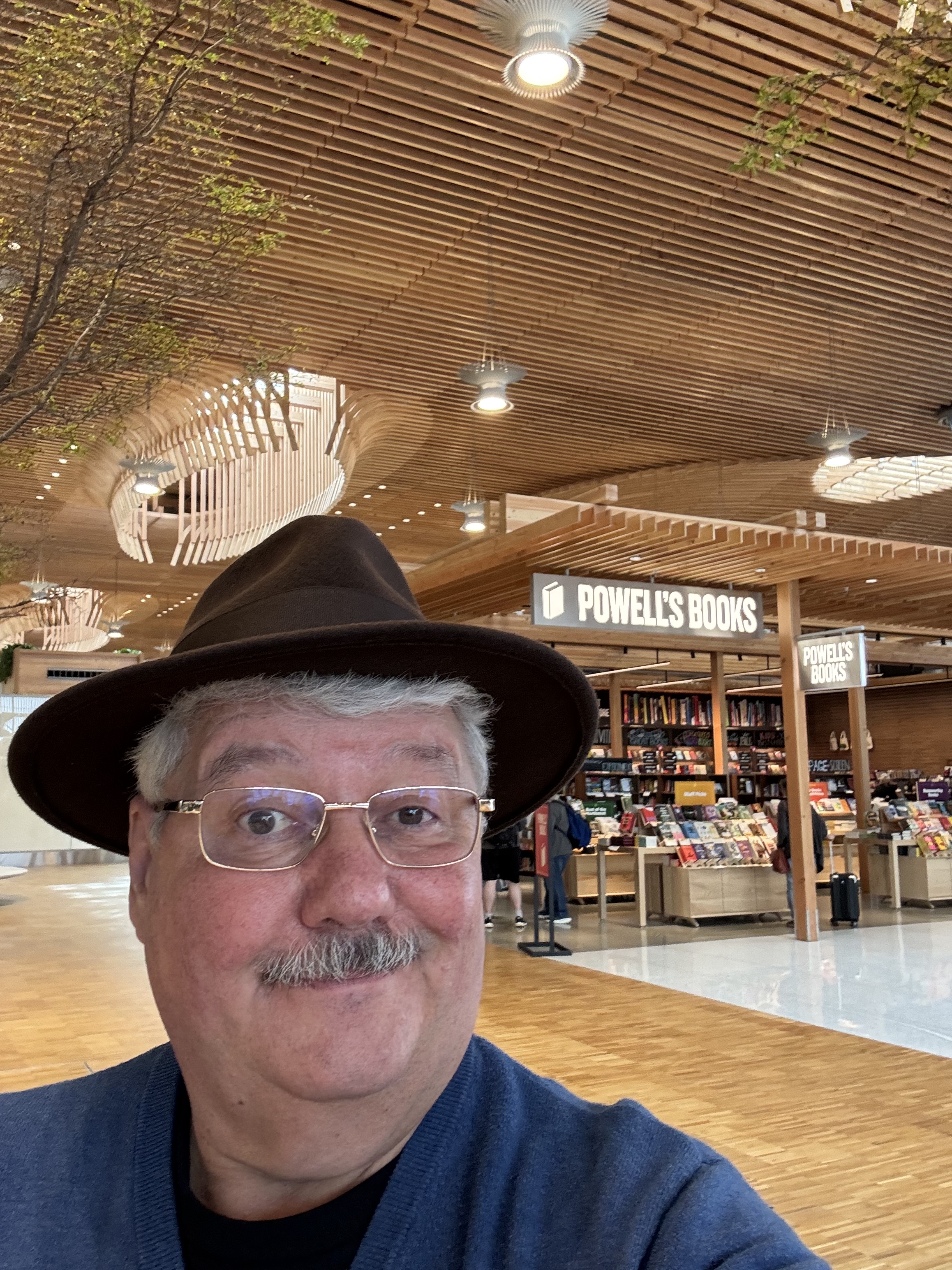
I am running closer to lunch than breakfast, and I walk back to D concourse, passing and enjoying, but not buying anything, at Powell’s Books, which has reopened at PDX. Yay! They have their plane book and handwritten notes for books. I would often grab a book here for a trip based on their recommendations. Always looking for a new author to read. So good to have that back!

Grasso is open for lunch now. Excellent. I have the curly pasta and sausage with a vodka sauce. It has only a hint of cream, and the hot peppers make it almost too hot for me. The sweater comes off. A group of young people grab the same table and aggressively ignore me. I politely return their lack of attention. I read, eat, and enjoy a slow, good lunch.

I am tired of the hard seat and walk to my gate. I am still an hour early. I head off.

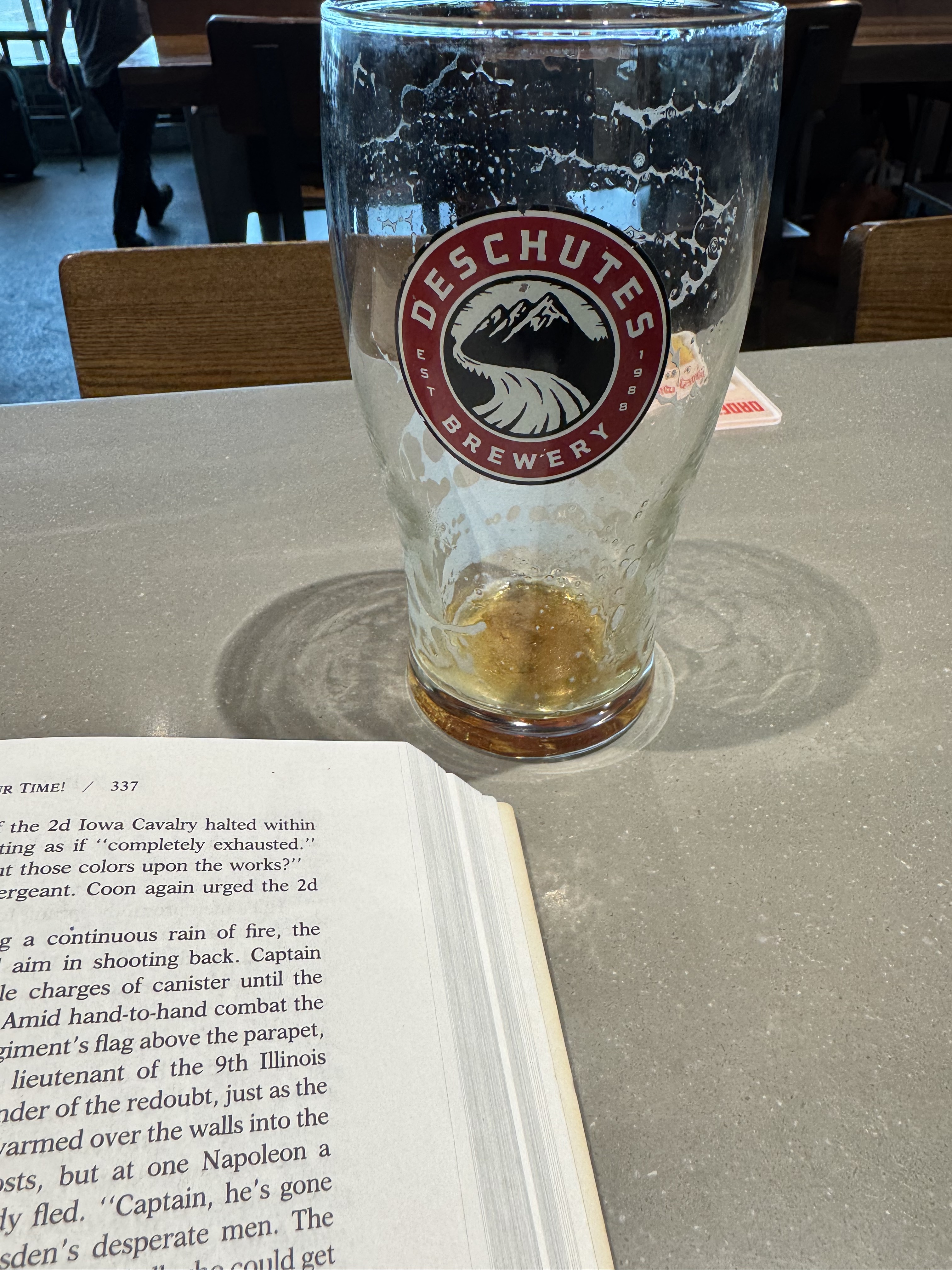
I have a beer at Deschutes, their dark beer, and read more emails and update people on my progress. I order online and pay the same way. I stop by the Men’s room, returning some of what I have taken in, and soon board my plane. The woman next to me is wedged into the center seat. She was headed to Morocco and meeting friends and family. We talked for a bit and then watched movies.

I watched The Mandalorian movie, which seems unloved, but I thought it was an excellent extension of the TV series. After that, I watched a cooking contest show. I only watch them on the plane, and they are my go-to for landing, as I ignore everything to see who wins and who is eliminated. This time it was a pastry chef contest and covered things I have no idea how to cook or make. I enjoyed the show and felt each chef’s wins and failures as almost personal. Excellent editing and storytelling.
I arrived at the next airport and walked one gate over for my next flight. I saw a restaurant next door, sat down, and ordered an Old Fashioned (a bit on the sweet side) and a BLT. After dinner, I got on the plane when it was called, with a pit stop to prove my hydration first. There was a kerfuffle as folks had found themselves upgraded to middle seats in comfort (not me; I was 17th in line for a 1st-class upgrade), and the gate staff was undoing this unwanted upgrade. I had skipped it when it was offered for $17 to have a middle seat with free drinks.

I sat with an empty seat next to me on a 1/2 full plane. Except for 1st, which was packed as usual. The pilot wanted a rough trip (which did not happen), and we had limited service- -just water. I watched the rest of the cooking show and started the next episode. They are an hour long. While interesting, I wasn’t getting much how-to cooking information, but I did see that liquid nitrogen needs to be included in any serious modern pastry work. Not happening in my tiny kitchen (nor will I be buying a blast freezer).

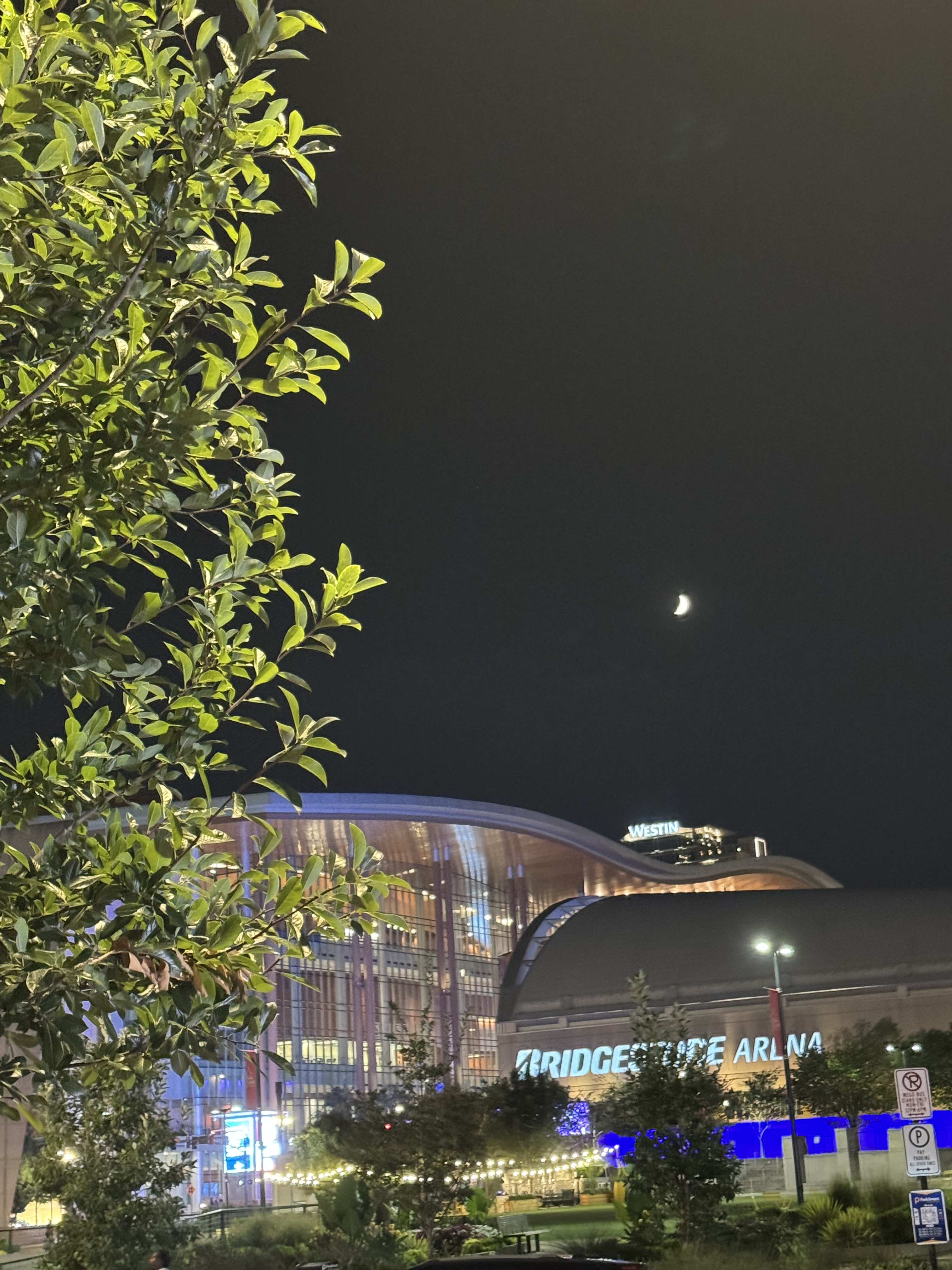
I was soon in Nashville. Found my bag and walked to the taxi. $40 and an $8 tip got me to my hotel and a short tour of the neon-filled tourist area only two blocks from my hotel. “You have chosen…wisely…y’all,” went through my mind.

I was soon checked in; the doors were locked, and they let me in and pointed to the other doors for next time. A hotel with two entrances, hmmm. The southern-accented welcome made me smile. “You are not in the Pacific Northwest anymore,” came to mind.

I am time-boxed, and that is a good place to stop. I got to bed before 11 and, with the two-hour time change, did not sleep until midnight. 6AM came too soon, but that is for another blog.

Thanks for reading.

Monday Another Laundry Day and Lunch and Dinner Out

Monday was my prep day for my next trip starting on Tuesday. Off to Nashville, arriving late in the evening. With no direct flights, there were no easy options, and I decided that an easy set of flights would work best. The time change, two hours, and a one-hour layover stole at least three hours from the day. I was not going to fly all night this time. I wanted to be awake for the American Civil War tour on Wednesday.

I woke up in the dark, proved hydrated, and dreamed bright dreams of traveling on various buses, planes, and trains that matched my upcoming week. I slept through the sunrise, with black turning into dark and then lighter gray. Our overcast fall days are here, but will soon be replaced by hot, sunny days. Our usual September of gray and blue skies, a mix and match of summer and winter.

I saw the squirrels busy burying their caches in the ground while I wrote the blog, and the hummingbirds enjoyed the low-wind days and feasting on the rushing ants and heavy pollen. Soon it will also slow as the rains and dark come. They all stay for the winter like me. We will watch each other all year.

Words, narrative, and musing were my morning. Not all I thought about will be recorded, as some things remain private and others are not my tale to tell, but much was cast into molds of words and sentences. Then, for me, hammered out like a blacksmith. Rereading, like reheating in metalwork, has me check the work; Grammarly complains, and I decide which red underlines (mistakes) for it to correct. I look at blue underlines, glowing like heated metal, suggestions, and often ignore Grammarly, and I fix the sentence by adding a word here and there, like a blacksmith hammering something back in place. Often, adding the missing word or phrase works. Grammarly often becomes satisfied. I watch the word count at the bottom; if it was a quiet day and I reach 500, I have enough for a post. I try not to fill it with musings or boilerplate commentary, but try to write without concern. Stream of consciousness, heated and hammered into a reasonable work that is produced nearly every day.

Monday, from the habits of the pandemic, was laundry day. I stripped the bed and tossed it in the washing machine. Later, I tossed in the towels in use for another load. I later divided the clothing into two loads. Shirts and pants, and a mixed load. The new Costco-purchased laundry, the usual, executed with precision. The combo machine for the same amount (and never refunded) is not missed and is not recommended.

I completed a short blog and heard from Deborah by text. She has lots of balls in the air on Monday (back-to-school for adult education), and I try not to add to her concerns. No need for a needy boyfriend who needs constant reassurance. Though, of course, I miss her and the often-morning call, I tell myself I will be brave and wait. We talk later, and both feel better hearing our collective voices.

Cough meds, in lower amounts, are still in use, and the world seems slightly misty, and time moves in sprints. Morning was slow, the afternoon disappears, and dinner was long. The evening is late before I am ready, and I find myself remaking the bed late.

I put on the funny and crazy Terminator movie, Genesis, which I can always recommend, but you should watch it after rewatching The Terminator original movie first. Arnold gets a new catchphrase: “Old, but not obsolete!” Corwin stops by, and I take him to La Provence for lunch; he has had a bad week and could use a nice sandwich.

I try to bring some order to the house and pack. I don’t fit everything for my one-week trip into my smaller bag, which is also a suit bag. I have to carry a coat in my carry-on. Likely the right thing to do anyway.  I then manage to get it all together. Packed. I set out a few items for my final packing (meds) and my hat.

I meet Dondrea and Z for dinner at Pepitas and end up with too much food. I have a margarita and start my vacation early. We talked about travel, church, and nothing. It was nice to relax.

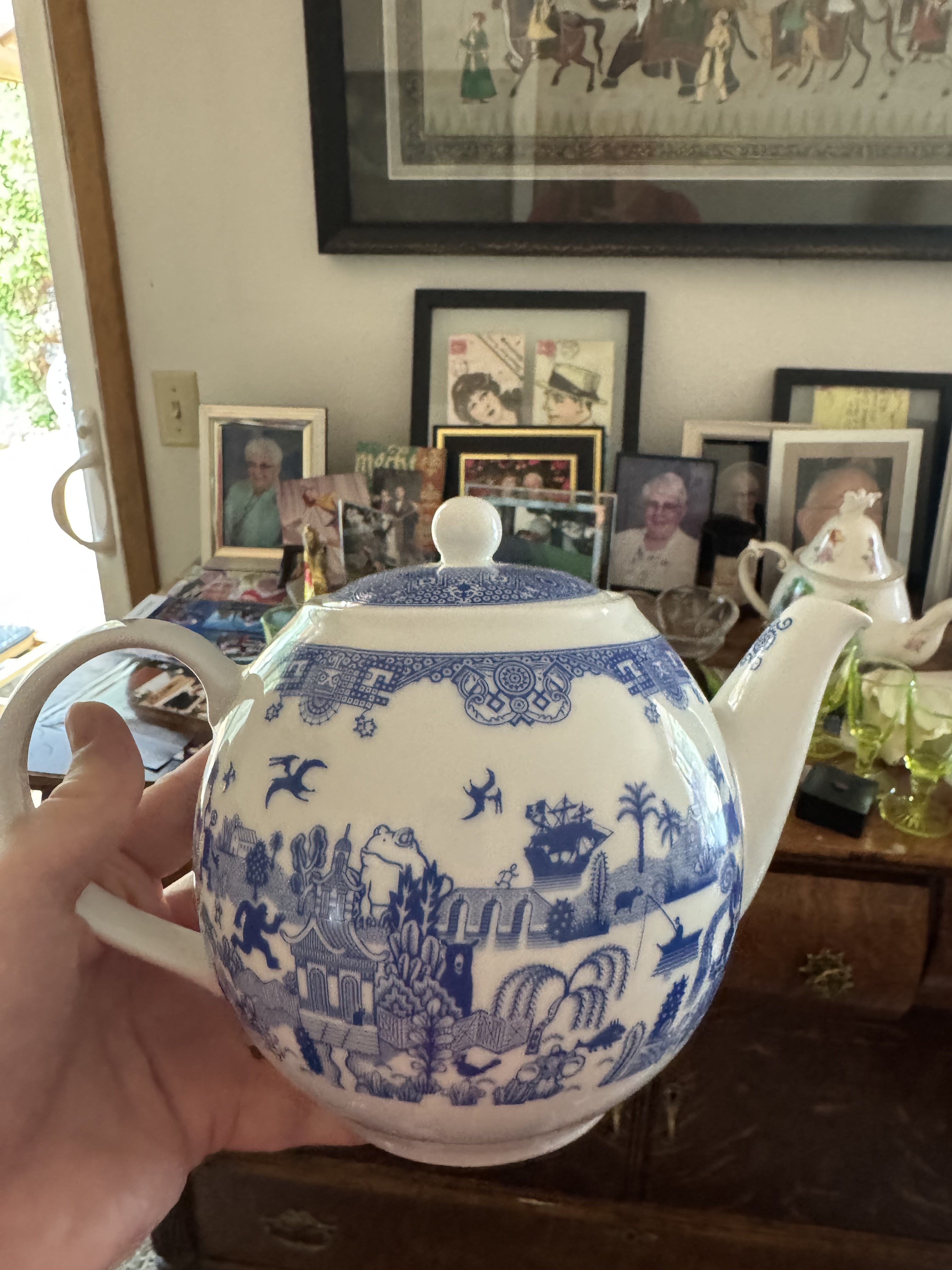
I package shows today: a Calamity Ware teapot to match the cup Deborah gave me. She watched for it, finally found one, bought it, and sent it to me. Excellent!

I am time-boxed, have a flight today (I am writing this on Tuesday morning), and that covers the day. Thanks for reading!

Sunday Just Church and Home

I woke up closer to 8, coughing but not as bad, and at first felt quite well. It is fading, but I know better than to believe it is gone. It fills my day with coughs, and I take cough meds all day. They mostly work.

I rise, reheat the coffee, and find my almond-filled croissant I made the night before. Still good. I like chocolate better, but these make a good change. The squirrels are busy, hiding nuts in the backyard and collecting leaves for their dreys. The roses have slowed as there’s less light, and the climbing rose has two canes over the top of the fence, but then they seem to freeze at that height. Mister Lincoln has two stalks rising to bloom again before winter slows, and most flowers then melt away in the wet before they open. No rain is forecast for a week. I’ll likely get a few more lovely blooms before the rains set in.

I spent the first hours of Sunday writing the blog, not very long, as the cough and my slowing down to try to stop it made the day less interesting. I managed to finish it before I needed to get dressed to be on time for church. Gray slacks, white shirt, pride tie, and a green sweater vest. Black leather shoes and gray/black patterned socks to finish.

I arrive too early and spend part of the time chatting with Deborah. We try to start and end our days together when we’re apart, and we often chat while driving. I then head to the nearby coffee place, Ava Coffee, and get a London Fog. I managed to resist the pastries, cakes, and muffins filling their case. There was no apple strudel.

I returned to First United Methodist Church and noticed that the new lights had brought all the colors back to the sanctuary, and the side lights now looked pale and unneeded. Before, the side lights seemed to glow because it was so dark. The carpets now look less dark (and less clean). Hmmm. More work.

A visitor came in, said she was happy to join us, and then started demanding and collecting social media and personal information from folks. I later refused her as she was leaving; she tried to guilt me into it, then all but threatened a bad review. I have seen this before with salesfolk showing up for a few visits to collect contacts. It is an old-school con, now made easier with iPhones.

Dondrea gave the sermon, and it was, with some irony for me, about including people not like us. Dondrea suggested, like in the story of the dinner (Luke: 14-15-24), that we include people we do not know and bring them in. That, with the start of the Revival, we be inclusive.

Coffee and Brian, the choir director and organist, played roaring music; it didn’t quite shake the new light bulbs loose, but it was strong and loud while still being edgy and friendly. Very interesting piece. Find the sermon and Brian’s playing here.

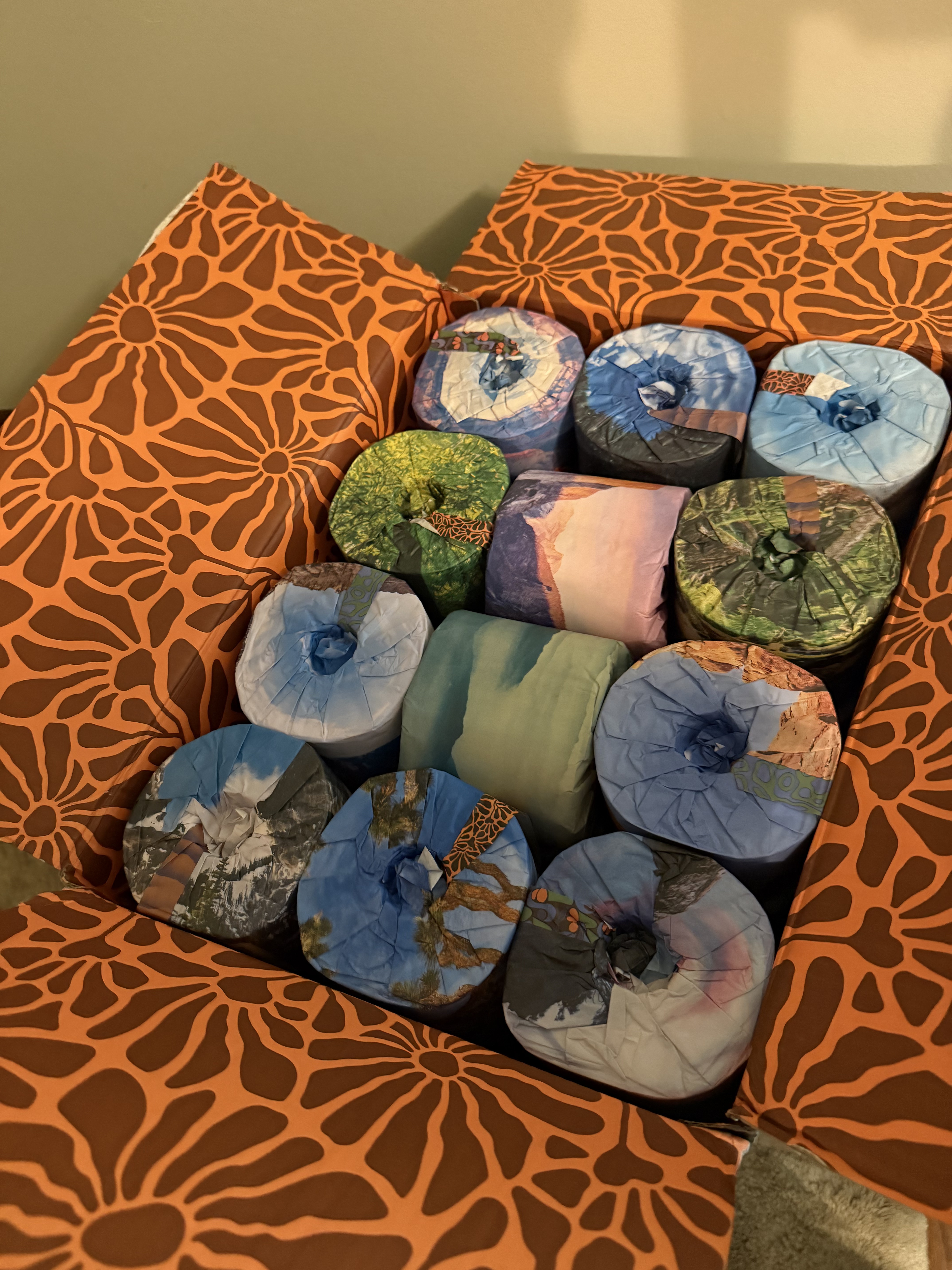
I headed home and had reheated Chinese-style food for both lunch and dinner. Deborah got the gift I sent her. Both goofy and practical. From Who Give A Crap: 48 rolls of bamboo-made toilet tissue, with each roll wrapped in an image of a US National Park. She loved it. They have single-ship and subscription services. I sent a single shipment.

I am re-reading American Civil War history as I head to the Franklin Battlefield next week. I wanted to tour it after reading the story: The Confederacy’s Last Hurrah by Wiley Sword. The battlefields (Spring Hill, Franklin, and Nashville) have not been saved, but some pieces are available as small museums and views, and I have a Grayline tour on Wednesday. I also left Thursday open if I need to return, but I will likely try Cheekwood Estate instead, a Gilded Age mansion now a garden and art museum. Uber out and back. Dinner and maybe some local music after that.

I watched the next Terminator movie, #3 Judgment Day, my least favorite of the series with Arnold. It seems like a redo with better acting, a female Terminator, better music, and better special effects, but with a really inane storyline. Best to ignore it. But a few fun lines like “She will be back” did make me smile.

Hot tea and lemon are my prescription for the evening, and I keep up the cough meds but reduce it to one pill during the day. I down the nighttime liquid stuff and soon slip into a dreamless sleep. I slept until sunrise.

And that was Sunday. Thanks for reading.